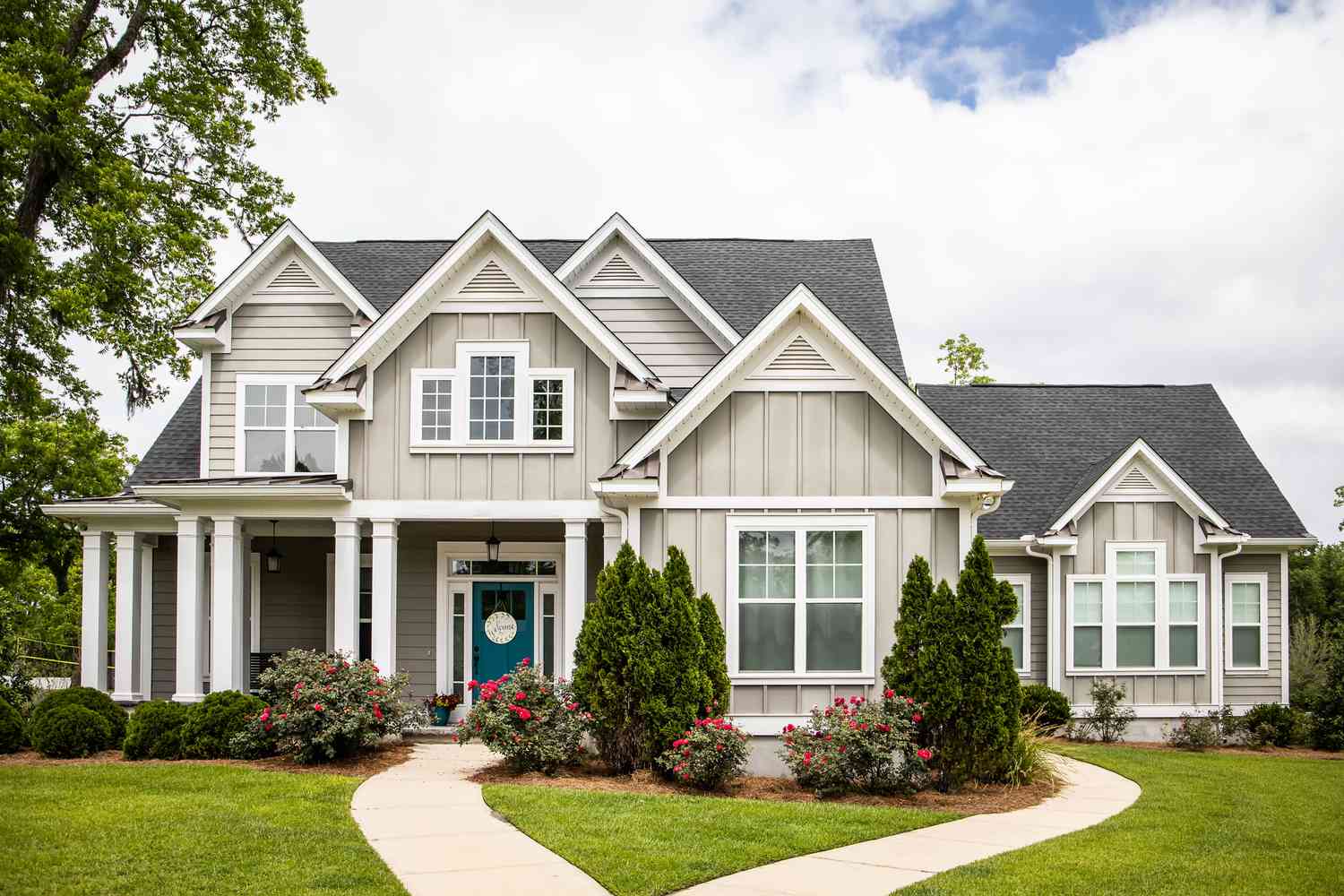
Best exterior painting in the us the American residential landscape is a study in climatic diversity, ranging from the salt-heavy air of the Atlantic seaboard to the arid, high-UV basins of the Southwest. In this context, exterior painting is far more than a decorative final touch; it is the primary sacrificial layer of the building envelope. When we discuss the “best” in this field, we are navigating a complex intersection of polymer chemistry, regional labor standards, and the physical realities of thermal expansion. A coating that thrives on a cedar-sided Victorian in Massachusetts would likely fail catastrophically on a stucco-finished contemporary home in Arizona.
Defining excellence in exterior coatings requires an understanding of how moisture, solar radiation, and biological growth interact with various substrates. Modern paint systems have evolved from simple oil-and-pigment mixtures into sophisticated liquid polymers designed to breathe, stretch, and deflect heat. However, the efficacy of even the most advanced fluoropolymer coating is entirely dependent on the mechanical integrity of the surface preparation. The industry’s shift toward water-borne resins has solved many environmental and flexibility issues but introduced new variables regarding “open time” and application temperature windows.
For the homeowner or facility manager, the objective is to extend the maintenance cycle. Every year added to the life of an exterior paint job represents a significant reduction in the total cost of ownership and a preservation of the underlying structure. Achieving this requires moving beyond the marketing promises of “one-coat coverage” and delving into the technical realities of mil-thickness, pigment volume concentration, and the strategic use of specialty primers.
Understanding “best exterior painting in the us”
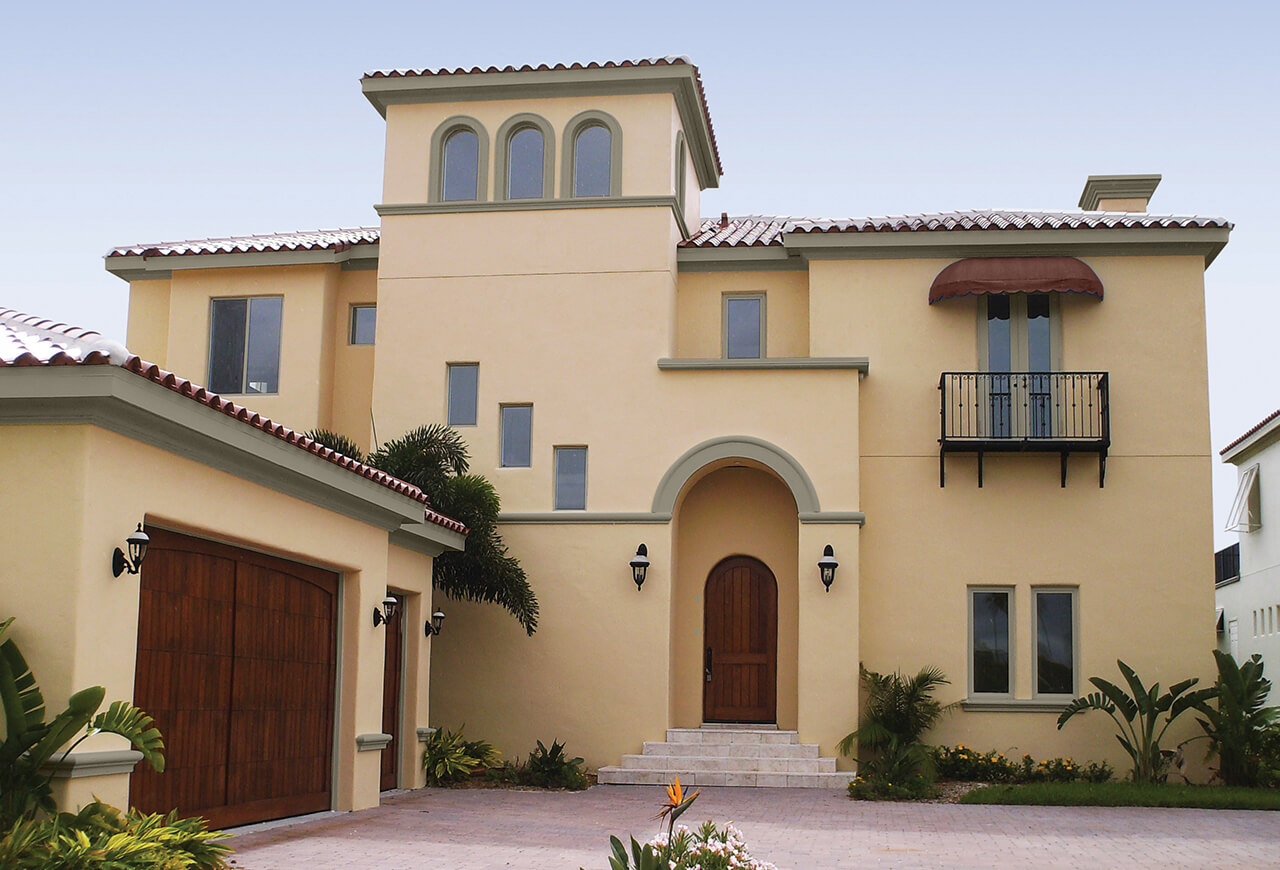
To identify the best exterior painting in the us, one must first dismantle the idea that “best” refers to a specific brand or a single gallon of paint. Instead, it refers to a cohesive ecosystem of practices: the diagnostic assessment of the substrate, the environmental conditions during application, and the chemical compatibility of the primer-to-finish-coat bond. A “best” outcome is one where the coating maintains its hydrophobic properties and color retention for 12 to 15 years, rather than the industry average of 5 to 7.
A significant misunderstanding in the American market is the over-reliance on “Lifetime Warranties” provided by manufacturers. These warranties often cover only the replacement of the product itself, neglecting the labor costs which typically account for 80% to 90% of a professional painting contract. Furthermore, the term “painting” is frequently used as a shorthand for what is actually a three-stage restorative process: remediation (stripping, sanding, repairing), stabilization (priming, caulking), and finally, the application of the decorative finish.
The oversimplification risk lies in ignoring regionality. In the Pacific Northwest, the primary enemy is “surfactant leaching” and mildew; in the Southeast, it is “alkali burn” on masonry and extreme humidity. Therefore, a national standard for the “best” painting must be adaptive. It requires a strategy that treats the home as a dynamic object that expands and contracts with the seasons, requiring a paint film that possesses “elongation”—the ability to stretch without fracturing.
Historical and Systemic Evolution of American Coatings
Best exterior painting in the us the trajectory of exterior coatings in the United States is marked by three distinct eras. The pre-1970s era was dominated by lead-based oil paints. These were incredibly durable and “leveled” beautifully, but their toxicity and brittleness—leading to the classic “alligatoring” pattern—rendered them obsolete. The 1978 lead ban forced a massive industry pivot toward acrylic latex.
The second era saw the perfection of the 100% acrylic resin. Acrylics revolutionized the industry by remaining flexible over time, allowing moisture vapor to escape from the wood while preventing liquid water from entering. This “breathability” solved the catastrophic peeling issues common with late-era oil paints used on damp substrates.
We are currently in the third era: the rise of “Hybrid” and “Specialty” polymers. We now see the integration of urethanes for hardness and fluoropolymers for UV resistance. This evolution is driven by increasingly strict VOC (Volatile Organic Compound) regulations, particularly in states like California. These regulations have pushed chemists to find ways to achieve high-performance results with water as the primary carrier, leading to the development of self-cleaning (photocatalytic) and “cool-roof” reflective technologies.
Conceptual Frameworks for Exterior Durability Best Exterior Painting In The Us
Professional estimators and engineers use specific mental models to evaluate a project’s potential for success.
1. The Adhesion Hierarchy
This framework prioritizes “Mechanical Bond” over “Chemical Bond.” It assumes that no matter how expensive the paint is, it will fail if the underlying surface is too smooth (requiring abrasion) or too dusty (requiring a penetrating sealer).
2. The Permeability-Hydrophobicity Paradox
A coating must be “hydrophobic” (shedding water) while remaining “permeable” (allowing the house to breathe). The framework evaluates products based on their “Perm Rating.” Too high, and the paint absorbs rain; too low, and it traps moisture behind the film, causing the wood to rot.
3. The Solar Absorption Model
This model calculates the “Total Solar Reflectance” (TSR). It dictates color choice based on the substrate’s orientation to the sun. Dark colors on a south-facing wall can reach temperatures of 160°F, leading to “thermal shock” and resin breakdown, whereas lighter colors preserve the underlying material.
Key Categories: Resin Chemistry and Substrate Specificity
Choosing the right system involves matching the resin to the material.
| Category | Material Basis | Primary Benefit | Trade-off |
| 100% Acrylic Latex | Water-borne acrylic | Flexibility and color retention. | Lower “scrubbability” than oils. |
| Urethane Alkyd Hybrid | Water-borne oil | Levels like oil; cleans up with water. | Longer dry times; can be brittle. |
| Elastomeric | Thick, rubberized acrylic | Fills cracks in stucco/masonry. | Can trap moisture if not applied correctly. |
| Silicate Paint | Mineral-based | Becomes part of the masonry. | Very expensive; requires specialized labor. |
| Fluoropolymer | High-performance resin | 20+ year color life; UV immune. | Prohibitively expensive for most residences. |
Decision Logic: The “Substrate-First” Approach
If the home is wood-sided (cedar, redwood, or pine), the logic dictates a high-permeability acrylic. If the home is masonry or stucco, the logic shifts toward mineral or elastomeric coatings that can bridge the inevitable hairline cracks that occur in cementitious materials.
Detailed Real-World Scenarios Best Exterior Painting In The Us
The Coastal “Salt-Spray” Environment
A home in the Florida Keys or coastal Maine.
-
The Constraint: Constant salt crystallization and high humidity.
-
The Failure Mode: Salt gets trapped under the paint film, attracts water through osmosis, and creates “blisters.”
-
The Solution: A high-gloss or semi-gloss acrylic finish. The smoother the surface, the less likely salt is to “anchor” to the house. Frequent fresh-water rinsing is part of the “best” strategy here.
The High-Altitude “UV Bomb”
A home in Denver or Santa Fe at 5,000+ feet.
-
The Constraint: Intense UV radiation that “chops” the molecular chains of the paint resin.
-
The Failure Mode: “Chalking”—where the resin dies and leaves behind a powdery pigment that washes away.
-
The Solution: Inorganic pigment systems and high-build resins that provide a sacrificial thickness to withstand the UV assault.
Planning, Cost, and Resource Dynamics
The economics of the best exterior painting in the us focus on “Cycle Extension.”
| Cost Component | Budget Allocation | Long-Term Impact |
| Surface Prep (Scraping/Sanding) | 40% – 50% | Determines the 10-year success rate. |
| High-Performance Primer | 15% – 20% | Prevents tannin bleed and surfactant leaching. |
| Premium Finish Coats | 20% – 25% | Manages color retention and UV resistance. |
| Logistics (Scaffolding/Protection) | 10% – 15% | Safety and protection of landscaping. |
The “Cheap Paint” Trap: Using a $30/gallon paint instead of an $80/gallon paint on a $10,000 labor contract saves only $500 (5%) but can cut the life of the project in half, effectively doubling the annual cost of the coating.
Tools, Strategies, and Support Systems Best Exterior Painting In The Us
A “flagship” painting project utilizes specific technological aids:
-
Moisture Meters: Wood must be below 15% moisture content before any coating is applied.
-
Infrared Sanding: Safely removing old lead paint without creating toxic dust.
-
Airless Spray with “Back-Rolling”: The sprayer delivers the volume, but the roller “forces” the paint into the grain for maximum adhesion.
-
High-Performance Sealants: Using tri-polymer sealants rather than cheap silicone-latex for joints that move.
-
Tannin Blockers: Essential for woods like Cedar to prevent brown stains from migrating to the surface.
-
VOC-Compliant Solvents: Specialized cleaners that don’t damage the substrate’s pH balance.
Risk Landscape: Taxonomy of Failure
-
Inter-coat Incompatibility: Applying an acrylic over an old, glossy oil paint without a “bridge” primer.
-
Dew Point Errors: Painting too late in the evening; moisture settles on the wet film, “blushes” the resin, and prevents it from ever curing correctly.
-
Mill-Glaze: New cedar siding often has a “sheen” from the mill that prevents paint from soaking in; it must be sanded or weathered.
-
Alkali Burn: Applying paint to “hot” (new) masonry before the pH has neutralized, effectively “melting” the paint from the inside.
Governance, Maintenance, and Long-Term Adaptation Best Exterior Painting In The Us
A “Best in Class” exterior is a managed asset, not a “one-and-done” event.
-
The Bi-Annual Wash: Removing atmospheric pollutants (soot, salt, pollen) prevents them from embedding in the paint film.
-
South-Wall Surveillance: The south and west elevations will always fail first. The “best” plan involves a “maintenance coat” on these sides every 5 years to match the 10-year life of the north side.
-
Gutter Integrity: 90% of paint failures at the roofline are caused by clogged gutters overflowing behind the fascia boards.
Measurement, Tracking, and Evaluation
-
Leading Indicators: Adhesion “Cross-Hatch” tests performed on a small patch before the full job begins.
-
Lagging Indicators: Gloss retention measurements after year three. A high-quality paint should retain 70% of its initial sheen after 36 months of exposure.
-
Documentation: Keeping a “Paint Log” that includes the specific batch numbers, the weather conditions during application, and the moisture readings of each elevation.
Common Misconceptions Best Exterior Painting In The Us
-
“Two coats of paint is always better than one.” Not if the “one” coat is a high-build elastomeric applied at the correct mil-thickness. Sometimes, too much paint creates a brittle shell that cracks.
-
“You can paint over anything if the primer is good.” False. Primer is not a glue; it cannot stabilize “punky” (rotted) wood or failing, powdery old paint.
-
“Pressure washing is the best way to clean a house.” Dangerous. It can force water deep into the wall cavities. Low-pressure “soft washing” with chemical cleaners is the professional standard.
-
“Self-priming paint is a miracle product.” It is a marketing term for high-solids paint. In restorative work, a dedicated, separate primer is almost always superior.
Ethical and Practical Considerations
In the modern US market, the “best” painting practices must account for environmental ethics. This includes the responsible disposal of wash-water, the use of low-VOC coatings to protect local air quality, and the preservation of historic “character” through appropriate color-matching and texture retention. Furthermore, the safety of the crew—ensuring OSHA compliance on ladders and scaffolding—is a non-negotiable component of a “best” project.
Conclusion Best Exterior Painting In The Us
The best exterior painting in the us is a victory of preparation over haste. It is a recognition that a building’s exterior is a living, breathing interface with a harsh environment. True topical authority in this field comes from respecting the chemistry of the coating and the physics of the substrate. By moving away from “fast and cheap” solutions and toward a lifecycle-based management strategy, property owners can transform a routine chore into a long-term investment in structural resilience and aesthetic permanence.
Leave a Reply