Category: American Facade Aesthetics

  • The Intersection of Art and Place: Preserving America’s Visual Heritage

    The Intersection of Art and Place: Preserving America’s Visual Heritage

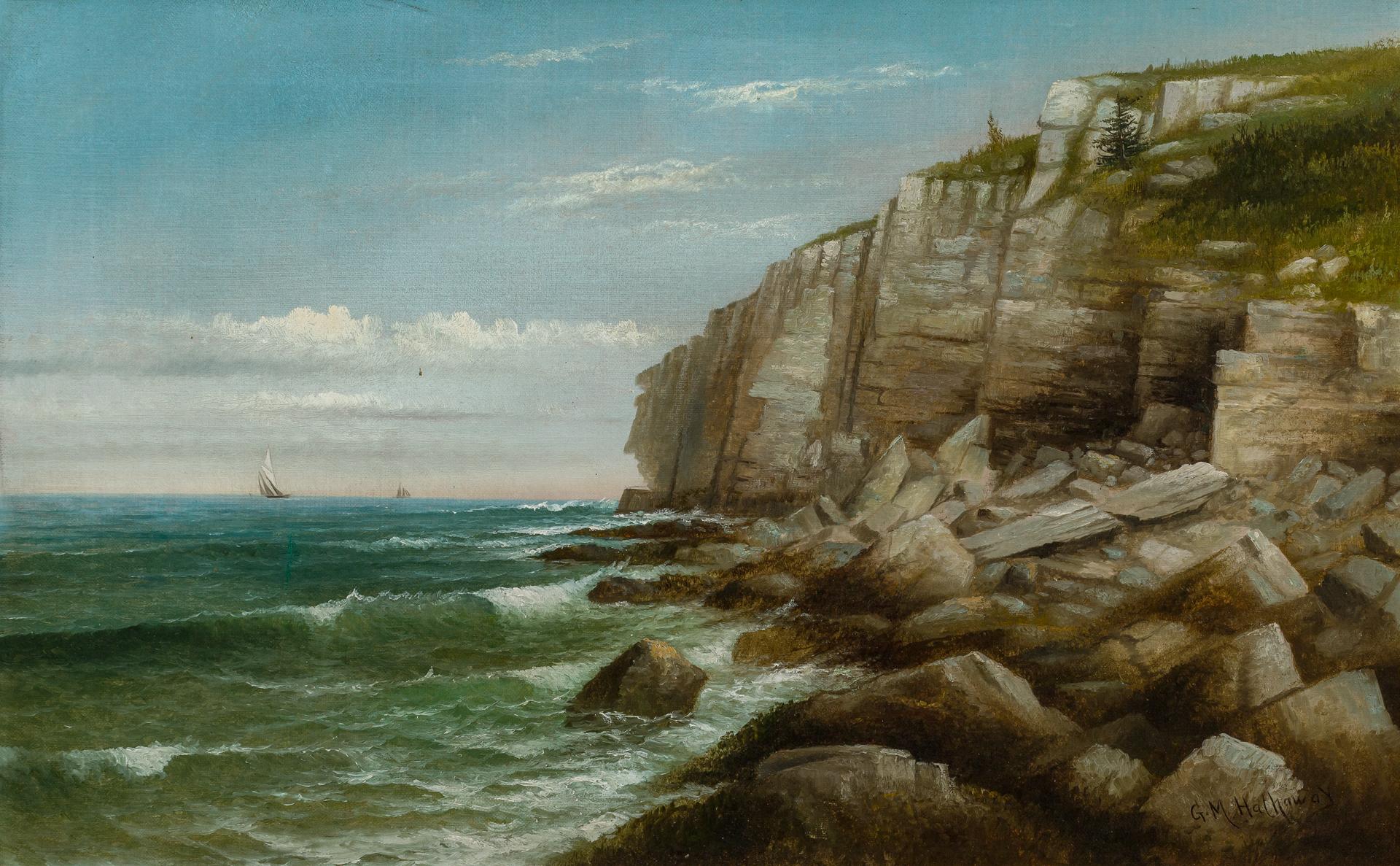
    Historic painting destinations usa the American landscape has long served as a primary catalyst for the development of Western art, providing a vast, uncurated canvas that challenged the European sensibilities of early settlers. From the rugged cliffs of the Hudson River Valley to the ethereal, high-desert light of New Mexico, certain geographical nodes have acted as crucibles for artistic innovation. These locations are not merely scenic backdrops; they are repositories of cultural memory where the environment and the easel converged to define a national identity.

    To examine these sites through a rigorous editorial lens requires moving beyond the “picturesque.” One must analyze how specific light conditions, geological formations, and social structures combined to attract and sustain artistic enclaves. The study of these regions involves a complex interplay of art history, environmental science, and the economics of early American tourism.

    In contemporary discourse, the concept of a painting destination often suffers from a reductionist approach, focused primarily on modern accessibility and “Instagrammable” vistas. Understanding these sites requires an appreciation for the “genius loci,” or the spirit of the place, which continues to influence the way painters perceive depth, color, and atmosphere in the 21st century.

    Understanding “historic painting destinations usa”
    Identifying historic painting destinations usa involves a multi-perspective analysis that transcends mere geography. A common misunderstanding is the belief that these destinations were chosen at random or solely for their beauty. In reality, the selection was often driven by infrastructure and economics. The expansion of the railroad in the 19th century and the establishment of seasonal boarding houses for artists were as critical to the formation of an art colony as the landscape itself. Oversimplification risks ignoring the systemic nature of these enclaves; they were collaborative ecosystems where artists shared techniques, critiqued work, and collectively marketed their vision of the American wilderness to an urban audience.

    The “topical authority” of these sites is maintained through a combination of physical preservation and intellectual documentation. The goal of analyzing these sites is to understand how the physical characteristics of the land dictated the brushstrokes of the painters who sought to capture it, creating a feedback loop between the environment and the artistic output.

    Deep Contextual Background: The Evolution of Artistic Migration

    Historic painting destinations usa the systemic evolution of American painting destinations can be divided into three distinct phases. The first was the Romantic era of the mid-19th century, characterized by the Hudson River School. Painters like Thomas Cole and Frederic Edwin Church moved northward from New York City, driven by the belief that the American wilderness was a manifestation of the divine. This was a period of “discovery,” where the artist functioned as an explorer, documenting vast territories that were largely unknown to the general public.

    The second phase, occurring in the late 19th and early 20th centuries, saw the rise of the “summer colony.” As the American middle class grew, artists sought refuge from industrialized cities. Places like Gloucester, Massachusetts, and Cornish, New Hampshire, became seasonal hubs. Here, the focus shifted from the grand, sublime wilderness to the intimate, light-drenched landscapes of the coast and the countryside. This era was defined by the influence of French Impressionism, adapted to the harsher, clearer light of North America.

    The third phase was the Western expansion, most notably the “Taos Phenomenon.”  This was not just a change in scenery; it was a shift in cultural perspective. The integration of Native American and Hispanic cultures into the visual narrative represented a maturing of the American artistic identity. These migrations were not merely aesthetic; they were often responses to urbanization and a desire for a “purer” connection to the land and its history.

    Conceptual Frameworks and Mental Models Historic Painting Destinations Usa

    1. The Light Refraction Framework

    This model analyzes a destination based on its atmospheric density. Coastal Maine, for instance, has a high moisture content that scatters light, creating a “cool” palette. High-altitude destinations like the Rockies have thinner air, leading to “sharp” edges and high contrast. Understanding this dictates the technical approach to color mixing and edge control.

    2. The Infrastructure-Aesthetic Matrix

    This framework evaluates the development of a colony by mapping the proximity of transportation (rail/road) against the availability of “communal housing.” It posits that an artistic movement cannot survive in isolation; it requires a physical nexus where artists can congregate and exchange ideas.

    3. The Temporal-Visual Model

    This mental model compares the “original” landscape as painted by 19th-century masters with the “current” state of the site. It forces the researcher to account for reforestation, urban sprawl, and climate-induced changes in vegetation, acknowledging that a historic destination is a moving target in time.

    Key Categories: Regional Enclaves and Aesthetic Variation

    The diversity of the American landscape resulted in distinct regional “brands” of painting.

    Region Primary Style Key Characteristics Modern Trade-off
    Hudson River Valley Romantic / Hudson School Epic scale, dramatic lighting, detailed realism. High urban encroachment in some areas.
    New England Coast American Impressionism Bright palettes, broken brushwork, marine themes. Over-tourism during summer seasons.
    The Southwest (Taos) Modernism / Regionalism High-contrast light, adobe architecture, desert tones. Rapid demographic shifts affecting site aura.
    Monterey Peninsula Tonalism / California Impressionist Soft focus, eucalyptus groves, foggy coastline. Prohibitive costs for local artist residencies.
    Appalachian Range Folk / Plein Air Rolling hills, deep greens, misty valleys. Challenging topography and seasonal access.

    Decision Logic: Selecting a Reference Site

    The choice of a reference site depends on the “Luminosity Goal.” If the objective is to study “Atmospheric Perspective” (the way colors fade into the distance), the Blue Ridge Mountains provide a superior laboratory. If the goal is “Chiaroscuro” (dramatic light and dark), the deep canyons and late-afternoon sun of Arizona offer the most intense study environment.

    Detailed Real-World Scenarios Historic Painting Destinations Usa

    The Cape Ann Fog

    • The Context: A painter in Gloucester, MA, attempting to capture the harbor in the morning mist.

    • The Constraint: The moisture-heavy air flattens depth and desaturates color.

    • The Decision Point: Choosing between a “Tonalist” approach (low color, high atmosphere) or an “Impressionist” approach (high color dots to simulate light).

    • Failure Mode: Over-detailing the background, which breaks the illusion of atmospheric depth.

    The New Mexico “Golden Hour”

    • The Context: An artist at the Taos Pueblo during the late afternoon.

    • The Constraint: Light changes rapidly, and the adobe walls absorb heat and light differently than timber.

    • The Decision Point: Mapping the “Temperature Shift”—the shadow side of the building will be cool (blue-violet) while the sunlit side is intense orange-yellow.

    • Second-Order Effect: The high UV levels in this region can lead to faster drying times for oils, requiring the use of “retarders” to maintain a workable surface.

    Planning, Cost, and Resource Dynamics

    Studying or visiting these destinations requires a different logistical framework than standard travel.

    Component Direct Costs Opportunity Cost Variability
    Site Access Entrance fees (National Parks). Travel time to remote locations. High seasonal fluctuations.
    Instruction / Workshops Professional fees for master classes. Time away from studio production. Quality of mentorship.
    Materials Logistics Shipping easels and wet canvases. Potential for damage in transit. Weight vs. Portability.

    Estimated Budget for a Historic Residency (Two Weeks)

    • Rural (e.g., Catskills): $2,500–$4,000 (includes car rental and studio space).

    • Island (e.g., Monhegan): $3,500–$5,500 (includes ferry and limited-supply premiums).

    • Southwest (e.g., Santa Fe): $3,000–$5,000 (includes high-season lodging).

    Tools, Strategies, and Support Systems

    A modern investigation of these destinations utilizes a blend of traditional and technological supports:

    1. Chroma Meters: Measuring the exact color temperature of the light at different times of day to verify historical descriptions.

    2. GIS Mapping: Locating the exact GPS coordinates where famous works were executed (The “Stand-in-Footsteps” strategy).

    3. Neutral Density Filters: For photographers or artists using digital aids to manage the extreme glare of desert or coastal sun.

    4. Historical Enclave Archives: Accessing the journals of the original painters to understand their psychological state during the “Discovery” phase.

    5. Pochade Boxes: Modern, lightweight versions of the heavy wooden easels used in the 19th century, allowing for more mobile site-hopping.

    6. UV-Stable Pigments: Essential for working in Western destinations where solar radiation can cause “fugitive” colors to fade within weeks.

    Risk Landscape and Failure Modes Historic Painting Destinations Usa

    1. Visual Pollution and Encroachment

    The primary risk to a historic painting destination is the loss of its “Visual Integrity.” Cell towers, power lines, and modern architectural styles can disrupt the historical sightlines that defined a location.

    2. Ecological Transformation

    Climate change and invasive species can fundamentally alter the colors and textures of a landscape.

    3. The “Museumification” Trap

    Treating a destination solely as a historic monument can stifle modern artistic evolution. If a site is too rigidly controlled, it becomes a static museum rather than a living laboratory for new generations of painters.

    Governance, Maintenance, and Long-Term Adaptation

    The preservation of these sites is governed by a patchwork of federal, state, and private entities.

    • Easement Protection: Land trusts work to prevent development on the specific vistas made famous by 19th-century paintings.

    • Artist-in-Residence Programs: The National Park Service and private foundations (like the MacDowell Colony) maintain the “Human Infrastructure” by providing subsidized space for creators.

    • Adaptive Reuse: Converting the original barns and studios of the masters into modern community art centers to maintain the “Enclave Effect.”

    Monitoring Checklist

    • Review sightline integrity from key “master footprints.”

    • Monitor air quality indices (affects atmospheric perspective).

    • Evaluate the sustainability of seasonal artist housing.

    Measurement, Tracking, and Evaluation Historic Painting Destinations Usa

    • Leading Indicator: The number of professional artist workshops and residencies booked annually at a site.

    • Lagging Indicator: The volume of new work produced in these locations that enters major museum collections.

    • Qualitative Signal: The “Persistence of Place”—the degree to which contemporary work from a site is still recognizable as part of that location’s unique visual lineage.

    Documentation Example: A “Visual Audit” log that tracks the changing vegetation and lighting conditions at a specific overlook in Yosemite over a ten-year cycle.

    Common Misconceptions and Oversimplifications

    • “The masters painted exactly what they saw.” They often rearranged the landscape for “Idealized Composition.”

    • “Photography has replaced the need for these destinations.” A photograph flattens light. The “Top” value of a destination is the 3D immersion in the atmosphere.

    • “These places are only for traditionalists.” Modernists and abstractionists like Georgia O’Keeffe used these same historic hubs to push the boundaries of form.

    • “Beauty is the only factor.” Harsh, ugly, or desolate environments (like the Badlands) are just as historically significant for their challenge to the artist.

    • “National Parks are the only destinations.” Many of the most significant sites are on private land or in small, unprotected towns.

    Ethical and Practical Considerations Historic Painting Destinations Usa

    In the context of American landscape painting, one must address the “Ethics of Representation.” Many historic destinations were “discovered” by white artists on land that was stolen or forcefully vacated by Indigenous peoples. A sophisticated understanding of these sites must include a recognition of the Indigenous visual history that predates the easel. Over-promoting a fragile site like a coastal cliff or a desert spring can lead to the very degradation that renders the site unpaintable for future generations.

    Conclusion

    data-path-to-node=”73″>>The historic painting destinations usa offers are more than geographical points; they are the connective tissue between the American environment and the human imagination. These sites have survived through a combination of physical luck and intentional preservation. As the digital world continues to flatten our experience of reality, the value of these physical locations—with their specific smells, temperatures, and peculiar light—becomes increasingly vital.
  • The Surface as Infrastructure: A Comprehensive Examination of Residential Coatings

    The Surface as Infrastructure: A Comprehensive Examination of Residential Coatings

    Best residential painting united states the American residential landscape is a study in material diversity and climatic extremes. From the salt-scrubbed shingles of New England to the sun-baked stucco of the Mojave, the exterior and interior surfaces of a home serve as the primary interface between architectural intent and environmental reality. In truth, it is a critical layer of functional infrastructure. A high-performance coating system does not simply impart color; it manages thermal transfer, mitigates moisture intrusion, and preserves the structural integrity of the substrate it covers.

    To approach the subject with the necessary editorial gravity, one must look past the “curb appeal” narratives popularized by home improvement media. The reality of maintaining a high-value property in the United States involves navigating a complex landscape of VOC (Volatile Organic Compound) regulations, polymer chemistry, and the physical mechanics of adhesion.

    Achieving a standard that qualifies as the “best” requires a departure from transactional maintenance toward a model of long-term asset management. This involves understanding the molecular cross-linking of modern resins and the specific expansion-contraction coefficients of different building materials. Whether the goal is to protect a historic timber frame or to achieve a Level 5 finish in a contemporary minimalist interior, the principles remain the same: diagnostic precision, material compatibility, and a relentless commitment to the “invisible” phases of the work.

    Understanding “best residential painting united states”

    The definition of best residential painting united states is often clouded by a focus on brand names or specific color palettes. From a technical and editorial perspective, “best” is a multi-dimensional metric that evaluates the longevity of the bond, the fidelity of the color retention, and the ecological footprint of the application.

    One of the primary oversimplification risks in the industry is the “one-coat” myth. This marketing-driven narrative ignores the fundamental physics of film thickness and substrate porosity. A truly superior painting outcome is the result of a “layered system” approach: a specific primer to manage pH and suction, an intermediate coat to build film thickness and opacity, and a topcoat engineered for specific environmental resistances. When we analyze the top tier of residential work across the country, we see a consistent adherence to these multi-stage protocols regardless of the architectural style.

    Furthermore, the “best” standard must account for the skill ceiling of the labor force. In the high-end residential sector, this often involves the use of specialized retarders or environmental controls to ensure that the finish levels out to a glass-like smoothness, free of the “orange peel” or brush marks that characterize standard-grade work.

    Historical and Systemic Evolution of Residential Finishes

    Best residential painting united states the trajectory of residential painting in the United States is marked by a shift from artisanal, site-mixed concoctions to highly engineered, factory-stabilized polymers. In the 18th and 19th centuries, coatings were primarily functional, using linseed oils and lead pigments to provide a flexible, albeit toxic, shell. These finishes were “long-oil” systems, meaning they took days to dry but offered a level of flow and durability that modern DIY products struggle to replicate.

    The introduction of 100% acrylic resins allowed for a coating that could breathe—permitting water vapor to escape from the house while preventing liquid water from entering. This was a revolutionary change for the American building envelope, significantly reducing the incidence of structural rot.

    Today, we are in the era of “Hybrid” and “Functional” coatings. We are seeing the rise of ceramic-infused paints that resist heat transfer and photocatalytic coatings that use sunlight to break down atmospheric pollutants on the facade. The modern residential painter is no longer just a brush-operator; they are a site-specific applicator of complex chemical systems designed to meet increasingly stringent environmental regulations without sacrificing the 15-year lifecycles that luxury homeowners expect.

    Conceptual Frameworks for Surface Integrity Best Residential Painting United States

    To manage a painting project at a high level, professionals use specific mental models to anticipate failure and optimize performance.

    1. The Adhesion Hierarchy

    This framework prioritizes “Mechanical Bond” over “Chemical Bond.” It assumes that no coating is strong enough to hold onto a failing substrate. Therefore, the hierarchy places 70% of the project’s value on the abrasion and cleaning of the surface, 20% on the primer’s ability to “bite” into that surface, and only 10% on the decorative finish.

    2. The Permeability-Hydrophobicity Paradox

    A home must shed liquid water (hydrophobicity) while allowing water vapor to pass through (permeability). In the “best” residential systems, the coating is treated as a semi-permeable membrane. This framework helps consultants choose between elastomeric coatings (low permeability, high stretch) and traditional acrylics (high permeability, moderate stretch) based on the specific moisture profile of the wall assembly.

    3. The Refractive Index Model

    For interior luxury work, the focus shifts to how the paint film interacts with light. This model views the wall as a series of microscopic peaks and valleys. A “High-Authority” finish involves “polishing” the substrate through iterative sanding between coats to minimize light scattering, resulting in a deeper, more saturated color that appears to “glow” rather than simply reflect.

    Key Categories: Resin Architectures and Material Trade-offs

    Choosing the right system involves a rigorous comparison of resin types against the specific needs of the building.

    Category Primary Resin Best Application Primary Trade-off
    100% Acrylic Latex High-Solids Acrylic General Exterior Siding Good flexibility; moderate gloss retention.
    Urethane Alkyd Hybrid Water-borne Oil Interior Trim / Millwork Levels like oil; slow cure time; non-yellowing.
    Elastomeric Acrylic Copolymer Stucco & Masonry Bridges cracks; can trap moisture if applied incorrectly.
    Mineral / Silicate Potassium Silicate Historic Brick & Stone Permanent chemical bond; very expensive; limited colors.
    Ceramic-Infused Acrylic + Microspheres Interior High-Traffic Exceptional washability; “flat” finish with high durability.

    Realistic Decision Logic

    The choice should be “Substrate-First.” For instance, on a historic cedar home, the decision logic dictates a high-permeability acrylic to prevent “tannin bleed” and wood rot. Conversely, on a modern concrete residence, a silane-siloxane sealer followed by a high-build acrylic provides the best defense against salt-air and carbonation.

    Detailed Real-World Scenarios Best Residential Painting United States

    The Pacific Northwest Rain-Screen

    • The Constraint: 60+ inches of annual rainfall with limited drying windows.

    • The Solution: A “Self-Cleaning” nano-acrylic that lowers surface tension, allowing rain to wash away biological growth (mildew/algae).

    • Failure Mode: Applying a traditional oil-based primer which would act as a food source for mold in the damp climate.

    The High-UV Southwestern Estate

    • The Constraint: Intense solar radiation and thermal swings of 40°F in 12 hours.

    • The Solution: Inorganic pigment systems that do not “bleach” in UV, paired with a high-elongation resin that can stretch as the stucco expands in the heat.

    • Second-Order Effect: Using “Cool-Roof” technology in the wall paint to reduce interior cooling costs by reflecting infrared radiation.

    Planning, Cost, and Resource Dynamics

    The economics of the best residential painting united states are often misunderstood as a simple calculation of square footage.

    Cost Driver Standard Work High-Authority Work Impact on Longevity
    Preparation Time 10% – 20% 50% – 70% Direct correlation to 10+ year life.
    Material Cost $30 – $45 / gal $80 – $140 / gal Color retention and UV resistance.
    Equipment Brushes & Rollers HEPA Sanding & HVLP Sprayers Smoothness of finish and site cleanliness.

    Range-Based Table: Cost vs. Lifecycle

    Project Tier Initial Cost (Per SF) Expected Life Annualized Cost
    Budget $2.50 – $3.50 3-5 Years $0.70 / year
    Premium $5.00 – $8.00 8-12 Years $0.58 / year
    Legacy / Luxury $12.00 – $20.00 15-20 Years $0.80 / year (includes artisanal finishes)

    Tools, Strategies, and Support Systems Best Residential Painting United States

    The execution of a flagship project relies on a specific ecosystem of support:

    1. Dust Extraction Sanding: Systems like Festool that remove 99% of particulate matter at the point of creation, essential for both health and finish quality.

    2. Moisture Meters: Non-invasive sensors used to verify that the substrate is below 15% moisture content—the “no-go” threshold for most modern resins.

    3. High-Volume Low-Pressure (HVLP) Sprayers: Used for cabinetry and trim to achieve a “factory” finish without the “dry spray” common with airless units.

    4. pH Testing Pens: Crucial for new masonry or “hot” plaster, ensuring the surface won’t “burn” the paint through high alkalinity.

    5. Digital Colorimeters: Tools to ensure that the “custom match” is consistent across different batches and elevations.

    6. Tri-Polymer Sealants: Moving beyond cheap siliconized acrylic caulk to high-movement joint fillers that won’t crack in three years.

    Risk Landscape and Failure Modes

    • Inter-coat Incompatibility: Applying a high-tension acrylic over a brittle, old oil-based layer without a “bridge” primer. The new paint shrinks as it cures, literally pulling the old paint off the wall.

    • Surfactant Leaching: Occurs when paint is applied in high humidity. The “soaps” in the paint migrate to the surface, creating oily, brown streaks that can permanently disfigure the finish.

    • Mill Glaze Failure: On new wood siding, the heat of the saw blades creates a “sheen” that prevents paint penetration. Failure to sand this away results in “sheet peeling” within 24 months.

    • Efflorescence: On masonry, moisture moving through the wall carries salts to the surface. If the paint isn’t breathable, these salts will crystallize behind the film and pop the paint off.

    Governance, Maintenance, and Long-Term Adaptation Best Residential Painting United States

    A superior residential coating is an active asset, not a passive one.

    • The Bi-Annual Wash: Removing atmospheric salts, pollen, and soot that can act as catalysts for UV degradation.

    • South-Elevation Surveillance: The south and west sides of a house will fail 40% faster than the north. A “Governance” plan includes a maintenance “refresh” coat on these sides at year 6 to keep the whole house on a 12-year cycle.

    • Gutter and Grade Management: 90% of paint failures at the bottom of walls are caused by “splash-back” from poor drainage. Maintenance involves ensuring water is directed away from the coated surfaces.

    Measurement, Tracking, and Evaluation

    • Leading Indicators: Adhesion “Tape Tests” performed on a 12×12 sample area before the full project begins; moisture readings logged per elevation.

    • Lagging Indicators: Gloss retention values (measured via gloss-meter) at year three; absence of “checking” or “crazing” in the film.

    • Documentation Examples: A “Coating Ledger” containing batch numbers, weather logs (temp/humidity) for each day of application, and a “Mapping” of which colors were used on which substrate.

    Common Misconceptions and Oversimplifications Best Residential Painting United States

    • “Two coats are always better than one.” Not if the “one” coat is a high-build elastomeric applied at the correct mil-thickness. Sometimes, excessive film thickness leads to cracking.

    • “Oil paint is harder and better.” Modern water-borne urethanes are now harder than traditional oils and do not turn yellow over time.

    • “Self-priming paint is a miracle.” It is a marketing term for high-solids paint. For restorative work, a dedicated, separate primer is almost always technically superior.

    • “You can’t paint in the sun.” You can, but you must use specific “extenders” to keep the edge wet, or the finish will show “lap marks.”

    • “Power washing is enough prep.” Power washing only removes loose debris; it does not create the “profile” (roughness) needed for long-term adhesion.

    Ethical and Practical Considerations

    In the modern American market, the choice of paint carries an ethical weight. The transition to Zero-VOC (Volatile Organic Compound) formulas is no longer a niche preference but a regulatory and health-based necessity. For families with respiratory sensitivities or for projects in highly regulated states like California, the “best” choice is one that balances chemical durability with indoor air quality. Furthermore, the longevity of the paint job itself is an environmental act; a project that lasts 15 years instead of 5 uses 66% less material and generates 66% less waste over the building’s lifespan.

    Conclusion Best Residential Painting United States

    The best residential painting united states offers is a synthesis of discipline and chemistry. It is a refusal to accept the “temporary” nature of home maintenance in favor of a rigorous, systemic approach to surface protection. When the diagnostic phase is handled with forensic care, and the material selection is dictated by the substrate’s physical needs rather than a marketing budget, the result is an architectural envelope that does more than look beautiful—it performs. As building science continues to evolve, the “best” standard will always belong to those who treat the surface not as a canvas, but as a shield.

  • The Coastal Crucible: Resilience and Esthetics in Salt-Heavy Environments

    The Coastal Crucible: Resilience and Esthetics in Salt-Heavy Environments

    Top coastal painting in americaarchitecture situated along the American coastline exists in a state of perpetual chemical warfare. The atmospheric conditions—defined by high saline concentration, persistent humidity, and unshielded solar radiation—subject the building envelope to stressors that inland structures rarely encounter. In these regions, a coat of paint is not merely a cosmetic choice but a critical engineered barrier. The failure of this barrier does not simply result in an unappealing facade; it initiates a cascade of structural degradation, from substrate rot in timber to the spalling of masonry through osmotic pressure.

    The technical complexity of maintaining a coastal property is often underestimated by those accustomed to temperate, inland climates. Salt air acts as a hygroscopic agent, pulling moisture into the paint film and holding it against the substrate. When temperatures rise, this trapped moisture expands, leading to the rapid delamination and “blistering” that characterize poorly executed coastal finishes. Consequently, the selection of materials and the rigor of the application process must be calibrated to withstand these specific oceanic dynamics.

    Achieving a lasting finish requires a transition from the “maintenance” mindset to one of “performance engineering.” We must move beyond the superficial metrics of color and sheen to investigate the molecular cross-linking of resins and the permeability ratings of primers. As we examine the standards for top coastal painting in america, it becomes clear that the difference between a five-year failure and a fifteen-year success lies in the microscopic preparation of the surface and the chemical compatibility of the coating system with its environment.

    Understanding “top coastal painting in america”

    To define top coastal painting in america, one must first dismantle the marketing hyperbole that surrounds “marine-grade” consumer products. In a professional editorial context, “top” does not denote a specific brand, but rather a holistic system of diagnostic assessment and precision application. It is an acknowledgment that a Victorian home in Cape May requires a fundamentally different chemical strategy than a concrete contemporary in Malibu. The term encompasses the entire lifecycle of the coating, from the initial salt-neutralization wash to the final application of UV-resistant topcoats.

    A common misunderstanding is the belief that a thicker paint film equates to better protection. In coastal zones, an excessively thick film can be a liability. If the coating is too “tight” and lacks sufficient vapor permeability, it will trap the moisture that inevitably migrates through the house’s interior walls. This trapped vapor, unable to escape through the paint, will force the film away from the substrate. Therefore, the “top” approach prioritizes “smart” coatings—those that are hydrophobic enough to shed salt spray but breathable enough to allow interior moisture to outgas.

    The risk of oversimplification often leads to the neglect of “mechanical adhesion.” In the high-salt environments of the Atlantic and Gulf coasts, salt crystals can embed themselves in the wood grain or masonry pores within hours of cleaning. If the primer is applied over these microscopic crystals, the coating is essentially “floating” on a layer of salt. True coastal excellence requires a strict window of application where the substrate is cleaned, neutralized, and coated in a synchronized sequence that denies the environment an opportunity to contaminate the work.

    Deep Contextual Background: The Evolution of Marine-Grade Coatings

    Top coastal painting in america the history of American coastal architecture is a history of trying to keep the ocean out. In the 18th and 19th centuries, maritime communities relied on “white lead” and linseed oil. While toxic, lead-based paints were incredibly effective at inhibiting mildew and providing a flexible shell. However, as these oils aged, they became brittle, leading to the classic “alligatoring” pattern seen on historic lighthouses and seaside cottages.

    The mid-20th century saw the introduction of alkyd resins—synthetic oils that offered faster dry times and harder finishes. Yet, in coastal sun, alkyds tended to “chalk” rapidly as the UV rays broke down the oil binders. The pivot to 100% acrylic latex in the 1970s was a watershed moment. Unlike oils, acrylics remain flexible, allowing the paint to expand and contract with the thermal swings of a beach environment without cracking.

    In the current era, we are seeing the rise of “High-Build” polymers and fluoropolymer technologies. These systems, originally developed for commercial skyscrapers and offshore oil rigs, are being adapted for luxury residential use. They offer color retention and salt-spray resistance that can last two decades. The evolution has moved from “oil-and-pigment” to “liquid-plastic-envelopes,” where the chemistry of the paint is specifically tuned to resist the corrosive power of sodium chloride and the degradation of solar radiation.

    Conceptual Frameworks for Coastal Durability Top Coastal Painting In America

    1. The Osmotic Pressure Model

    This framework views the paint film as a semi-permeable membrane. If salt is trapped behind the paint, it will draw water through the film to equalize the concentration (osmosis). This internal pressure is the primary cause of coastal blistering. The model dictates that “salt-free” is a more important metric than “paint quality.”

    2. The Solar Refractive Model

    In the high-reflectivity environment of a beach, UV exposure comes from both the sky and the reflection off the sand and water. This model evaluates paint based on its “Total Solar Reflectance” (TSR). Choosing colors with high TSR helps prevent the substrate from overheating, which in turn prevents “thermal shock” that can shatter the bond of the primer.

    3. The Sacrificial Integrity Model

    This mental model treats the exterior coating as a sacrificial layer intended to weather at a predictable rate. The goal is “even erosion.” Instead of the paint peeling in chunks (catastrophic failure), a well-planned coastal system wears down slowly and evenly, allowing for a “refresh” coat in year ten rather than a full “strip-and-sand” remediation.

    Key Categories: Resin Systems and Substrate Specifics

    Coastal painting systems are categorized by their polymer base and their interaction with specific building materials.

    System Category Primary Resin Best Application Trade-off
    100% Acrylic Latex High-Solids Acrylic Wood Siding / Shingles Standard flexibility; needs frequent washing.
    Elastomeric Rubberized Acrylic Stucco / Masonry Bridges cracks; low breathability (risk of rot).
    Fluoropolymer PVDF / FEVE Metal Roofs / Windows 20+ year life; extremely high cost.
    Silane/Siloxane Clear Penetrant Brick / Concrete Invisible; keeps salt out; does not change look.
    Urethane-Alkyd Hybrid Resin Trim / Doors High gloss; levels beautifully; harder to repair.

    Decision Logic: The “Exposure Map”

    Professional planners often use an “Exposure Map” to determine which category to use. A north-facing wall shielded by dunes might use a standard high-quality acrylic, while the south-facing, ocean-front elevation of the same house might require a high-build elastomeric or a fluoropolymer-enhanced finish to survive the salt-blast and UV intensity.

    Detailed Real-World Scenarios Top Coastal Painting In America

    The New England Cedar Shingle Cottage

    • The Constraint: High humidity and wood tannins.

    • The Decision: Using a “long-oil” alkyd primer followed by two coats of breathable acrylic.

    • The Nuance: If the cedar is not “back-primed” (painted on the hidden side), moisture from the house will push the paint off the front. In coastal New England, the “top” approach involves treating the wood as a six-sided object.

    The Gulf Coast Stucco Estate Top Coastal Painting In America

    • The Constraint: Wind-driven rain and alkaline “hot” masonry.

    • The Decision: An alkali-resistant primer and a high-permeability elastomeric topcoat.

    • Failure Mode: If a non-breathable coating is used, the humidity of the Gulf will cause “efflorescence”—white salt deposits that burst through the paint film.

    The Pacific Northwest Glass & Steel Contemporary

    • The Constraint: Persistent mist and “Atmospheric Rivers.”

    • The Decision: Using “Self-Cleaning” photocatalytic coatings. These paints use light to break down organic matter (mold/mildew) so that the frequent rain washes the facade clean naturally.

    Planning, Cost, and Resource Dynamics Top Coastal Painting In America

    The economic reality of coastal maintenance is a “pay now or pay much more later” proposition.

    Investment Tier Cost Multiplier Expected Duration Primary Benefit
    Standard Grade 1.0x 3–5 Years Low entry cost; high labor frequency.
    Performance Grade 1.5x 7–10 Years Balanced ROI; standard maintenance.
    Marine/Legacy Grade 3.0x 15–20 Years Maximum protection; extreme material cost.

    Indirect Costs: In coastal zones, “Access Logistics” (scaffolding on sand, wind-protection screens) can account for 20% of the budget. The “Opportunity Cost” of a cheap paint job is the potential for salt-saturated wood, which eventually requires a total siding replacement—a cost five to ten times higher than a premium painting project.

    Tools, Strategies, and Support Systems Top Coastal Painting In America

    Executing a project at the level of top coastal painting in america requires specialized technology:

    1. Chloride Test Strips: To verify that the substrate has been successfully neutralized of all salt before the primer is applied.

    2. High-Pressure De-lonized Wash: Removing salt without introducing minerals that can cause future spotting.

    3. Moisture Meters: Ensuring the substrate is below 12% moisture content—coastal air rarely allows for “bone-dry” wood, making this measurement critical.

    4. Tannin Blockers: Specialized primers for cedar and redwood to prevent brown staining in high-moisture zones.

    5. Biocidal Additives: Enhancing the paint’s natural resistance to the “micro-forests” of mildew that thrive in sea mist.

    6. Infrared Thermography: Identifying “cold spots” in the facade where moisture is accumulating behind the scenes.

    Risk Landscape: The Taxonomy of Coastal Failure

    Coastal failures are rarely the fault of the paint itself; they are failures of the “system.”

    • Inter-coat Delamination: This happens when salt settles on the first coat of paint before the second coat is applied. The layers fail to bond to each other.

    • Surfactant Leaching: In humid coastal nights, the “soaps” in the paint migrate to the surface too quickly, creating brown, sticky streaks.

    • Edge Failure: Paint naturally thins at the sharp edges of siding or trim. In salt air, this is where corrosion starts. “Eased edges” (sanding corners to a slight radius) are a hallmark of high-end coastal prep.

    • Galvanic Corrosion: Using the wrong fasteners in siding. If the paint covers a non-stainless nail, the salt will cause a chemical reaction that “blows out” the paint from the inside.

    Governance, Maintenance, and Long-Term Adaptation Top Coastal Painting In America

    A coastal paint job is an active asset that requires a “Governance” schedule.

    • The Freshwater Rinse: The single most effective strategy for extending paint life. Rinsing the “salt-film” off the house every six months can double the life of the coating.

    • Caulk Review Cycles: In coastal zones, caulking is the first thing to fail. A “Governance” plan involves inspecting and replacing dried-out sealants every 24 months to prevent water from entering the “end-grain” of wood.

    • Adjustment Triggers: If “chalking” becomes visible on a gloved hand, it is a trigger for a “clear-coat” UV-refresher rather than waiting for the paint to peel.

    Measurement, Tracking, and Evaluation

    • Leading Indicator: The “Adhesion Cross-Hatch Test.”

    • Lagging Indicator: “Gloss Retention Values.” Using a gloss-meter to see how much of the original sheen remains after year three.

    • Documentation: Every coastal property should maintain a “Coating Ledger” that includes batch numbers, specific salt-test results, and the weather conditions (wind speed, humidity) on the days of application.

    Common Misconceptions and Oversimplifications Top Coastal Painting In America

    • “Oil-based paint is tougher.” In the sun, oil becomes brittle and cracks. In coastal zones, acrylic flexibility is almost always superior.

    • “Dark colors are fine for the beach.” Dark colors absorb heat, which accelerates the “outgassing” of the substrate and the breakdown of the resin.

    • “Stainless steel doesn’t need paint.” Even “marine-grade” stainless can tea-stain in heavy salt air. Specialized clear-coats are often required.

    • “The warranty covers everything.” Manufacturer warranties almost never cover “labor” or “salt-exposure,” making them effectively useless in coastal zones.

    Ethical and Practical Considerations

    In coastal environments, the choice of paint has an ecological footprint. The “wash-off” from a house goes directly into the local watershed and, eventually, the ocean. Professional coastal painting now prioritizes “Low-Leach” and “Zero-VOC” formulas to protect the very marine ecosystems that make coastal living desirable. Furthermore, the longevity of the project is a form of “Material Ethics”—by making the paint last twice as long, we halve the amount of chemicals and plastic entering the environment over the building’s life.

    Conclusion Top Coastal Painting In America

    Mastering top coastal painting in america is an exercise in intellectual honesty. It requires admitting that the ocean will eventually win, and our job is to delay that victory as elegantly as possible. By utilizing advanced resin systems, adhering to salt-neutralization protocols, and viewing the facade as a dynamic, breathable skin, we can protect the architectural heritage of our shorelines. These are the quiet engineering feats that allow a home to stand proudly against the Atlantic or Pacific for decades to come.

  • The Architecture of Esthetics: Redefining High-End Finishes

    The Architecture of Esthetics: Redefining High-End Finishes

    Luxury house painting usa the distinction between a standard residential coat and the caliber of work found in high-end American estates lies not in the color, but in the microscopic topography of the finished surface. In the upper echelons of the industry, paint is viewed as a liquid veneer—a structural component that must interface with complex architectural substrates while withstanding the diverse climatic stressors of the North American continent. The process is restorative and preservative by nature, involving a meticulous chemical and mechanical calibration that far exceeds the scope of conventional maintenance.

    Luxury residential painting is often misunderstood as an exercise in selecting expensive pigments. In reality, the material cost represents a fraction of the investment. The true value resides in the labor-intensive preparation phases: the stabilization of the substrate, the neutralization of pH levels in masonry, and the achievement of “Level 5” smoothness on interior plaster. It is a discipline where the “invisible” work—the sanding, the priming, and the iterative correction of imperfections—dictates the longevity and the refractive quality of the final result.

    As architectural trends in the United States pivot toward a blend of historic preservation and ultra-modern minimalism, the demand for specialized artisanal finishes has intensified. Whether it is the application of mineral-based silicate paints on a Pacific Northwest estate or the execution of mirror-like high-gloss lacquers in a Manhattan penthouse, the technical requirements are unforgiving. Achieving a flawless finish in these environments requires a mastery of environmental variables, including humidity control, airflow management, and a deep understanding of polymer cross-linking.

    Understanding “luxury house painting usa”

    To engage with luxury house painting usa is to move beyond the transactional nature of home improvement and into the realm of architectural stewardship. The “luxury” designation is not a marketing descriptor but a technical standard defined by the tolerance for error. In this sector, a single visible brush stroke on a cabinet or a slight variation in the “stipple” of a wall is considered a system failure. The objective is the creation of a “seamless” envelope where the coating enhances the underlying form rather than merely covering it.

    One of the primary oversimplifications in this field is the belief that “premium” paint from a local hardware store is sufficient for luxury applications. Professional curators of these finishes often utilize industrial-grade coatings, imported European mineral paints, or custom-formulated resins that offer superior depth of color and UV resistance. The “multi-perspective” view of luxury painting must account for the light reflectivity values (LRV) and how they interact with both natural circadian rhythms and sophisticated interior lighting design.

    The risk of oversimplification often manifests in the “one-size-fits-all” approach to priming. In high-end work, the primer is the most critical layer, serving as the bridge between the substrate and the finish. A failure to understand the specific “suction” of a plaster wall or the tannin-bleed of a rare wood species will result in a finish that degrades prematurely, regardless of the quality of the topcoat. Luxury painting is, therefore, a series of compounding successes in preparation.

    Historical and Systemic Evolution of High-End Finishes

    Luxury house painting usa the evolution of American luxury finishes reflects a transition from the heavy, lead-based oils of the early 20th century to the sophisticated, low-VOC polymers of today. In the Gilded Age, luxury was synonymous with hand-mixed pigments and linseed oils, applied by European-trained craftsmen who understood the slow-drying nature of natural resins. These finishes were durable but required constant maintenance and were prone to “yellowing” over time.

    Following the mid-century modern movement, the focus shifted toward efficiency and the rise of acrylic resins. However, the “luxury” sector remained insulated from the mass-market push for speed. Artisans continued to favor “long-oil” alkyds for their leveling properties and superior “flow.” The systemic shift in the last decade has been toward “Hybrid” technologies—water-borne alkyds that provide the hardness and luster of oil with the environmental benefits of modern synthetics.

    Today, we see a resurgence in “Old World” materials repurposed for the 21st-century luxury home. Lime-wash, Venetian plaster, and potassium silicate paints are being integrated into ultra-modern designs. This evolution represents a holistic understanding of building physics; curators are realizing that modern “breathable” coatings are essential for the longevity of high-performance building envelopes, particularly in airtight, energy-efficient luxury constructions.

    Conceptual Frameworks and Mental Models Luxury House Painting Usa

    1. The “Substrate-First” Philosophy

    This model dictates that the surface determines the system. Before a drop of paint is moved, the moisture content, alkalinity, and structural integrity of the wall are measured. If the substrate is compromised, the coating is irrelevant.

    2. The Refractive Index Framework

    In luxury design, the goal is “Optical Depth.” This mental model treats the paint film as a lens. By layering transparent or semi-opaque glazes, artisans create a finish that allows light to penetrate several microns deep before reflecting back, giving the wall a “glow” that opaque, mass-market applications lack.

    3. The “Sacrificial Layer” Strategy

    Particularly for exteriors, this model views the paint as a protective skin that is designed to weather predictably. The framework focuses on the “erosion rate” of the resin, ensuring that when the coating eventually fails, it does so by “chalking” evenly rather than peeling or cracking, which facilitates an easier future maintenance cycle.

    Key Categories and Variations Luxury House Painting Usa

    In the American luxury market, finishes are categorized by their resin chemistry and their intended interaction with light.

    Category Typical Resin Best Use Case Performance Trade-off
    Mineral/Silicate Potassium Silicate Historic Masonry/Stucco Permanent bond; extremely matte; limited color range.
    Fine Paints/Lacquers Urethane-Alkyd High-End Millwork Mirror finish; highly durable; requires dust-free environment.
    Venetian Plaster Calibrated Lime/Marble Feature Walls Organic texture; breathable; labor-intensive repair.
    Elastomeric (High-End) Acrylic-Copolymer Coastal Estates Bridges hairline cracks; requires specific permeability.
    High-Solid Acrylics Cross-linking Acrylic General Interior/Exterior High color retention; easy to maintain; fast dry times.

    Decision Logic: The “Luster to Location” Ratio

    Selecting the variation depends on the “Traffic-to-Light” ratio. For example, a high-traffic hallway in a Newport beach house might require a scrubbable, ceramic-infused matte finish that resists salt-air corrosion while hiding the minor wall imperfections common in coastal wood-framed structures.

    Detailed Real-World Scenarios Luxury House Painting Usa

    The High-Gloss Entryway

    • The Constraint: A foyer with floor-to-ceiling mahogany panels intended for a “piano finish.”

    • Decision Point: Should the artisan use a traditional solvent-based lacquer or a modern water-borne hybrid?

    • Failure Mode: If the room is not under positive pressure with HEPA filtration, airborne dust will embed in the slow-drying lacquer, ruining the mirror effect.

    • Second-Order Effect: The high-gloss finish will amplify every structural movement in the house, requiring the panels to be “floated” with specialized expansion joints.

    The Historic Limestone Facade

    • The Constraint: A 1920s limestone estate in the Northeast showing signs of “spalling.”

    • Decision Point: Using a standard acrylic “masonry paint” versus a mineral silicate.

    • The Outcome: An acrylic paint would trap moisture inside the stone, leading to freeze-thaw damage. A silicate coating chemically bonds with the stone, allowing vapor to escape while consolidating the surface.

    Planning, Cost, and Resource Dynamics

    The economic structure of high-end painting is heavily skewed toward preparation and “site-readiness.”

    Investment Tier Prep-to-Finish Ratio Expected Lifespan Primary Cost Driver
    Bespoke/Artisanal 80% Prep / 20% Finish 12–15 Years Sanding labor & dust containment.
    Premium Residential 60% Prep / 40% Finish 7–10 Years Material quality & applicator skill.

    Indirect Costs: In luxury projects, “Protection and Containment” (covering rare stone floors, delicate light fixtures, and artwork) can account for 15% of the total budget. The “Opportunity Cost” of a failed finish in a $20 million home involves not just the repaint, but the potential damage to the architectural fabric during the remediation process.

    Tools, Strategies, and Support Systems

    The execution of a flagship finish requires a specialized arsenal:

    1. Festool Dust Extraction Systems: For “Sanding to the Grain” without contaminating the air.

    2. Airless & HVLP (High Volume Low Pressure) Sprayers: For achieving a “factory-like” finish on-site.

    3. Moisture Meters & pH Pens: To ensure the substrate is chemically ready to accept the primer.

    4. Trizact Abrasives: For the progressive “polishing” of paint films to achieve high-luster finishes.

    5. Environmental Monitors: Tracking temperature and dew point to ensure the resin cures at the optimal rate.

    6. Colorimeters: To verify color consistency across different lighting conditions and batches.

    Risk Landscape and Failure Modes Luxury House Painting Usa

    1. Surfactant Leaching

    In high-humidity coastal zones, the “soaps” in water-borne paints can migrate to the surface, creating oily streaks.

    2. Delamination due to “Mill Glaze”

    On new cedar or redwood siding, the high-speed saws used in milling create a “glaze” that prevents paint adhesion. Failure to sand this away results in “sheet peeling” within 24 months.

    3. Efflorescence and Alkali Burn

    In new luxury masonry construction, the high pH of the mortar can “eat” the pigment in the paint, leading to white, chalky patches and color fading.

    Governance, Maintenance, and Long-Term Adaptation

    A luxury finish is an asset that requires a “Log-Book” approach.

    • Annual Soft-Wash: Removing atmospheric pollutants and salt-spray that can etch the resin.

    • Biannual Inspection of Sealants: High-end homes move.

    • Touch-up Kits: Maintaining a library of original batch numbers and 1-quart samples stored in a climate-controlled environment for minor mechanical damage repair.

    Maintenance Checklist

    • [ ] Inspect south-facing elevations for “Chalking” (UV degradation).

    • [ ] Check horizontal surfaces (window sills, deck rails) for “Pooling” damage.

    • [ ] Verify the integrity of the “Drip Edge” at the roofline.

    Measurement, Tracking, and Evaluation Luxury House Painting Usa

    • Leading Indicator: The “Adhesion Test” (Cross-hatch test) performed on a sample area prior to full-scale application.

    • Lagging Indicator: “Gloss Retention” measured over a 3-year cycle. A high-end finish should retain at least 80% of its original luster after 36 months of exposure.

    • Qualitative Signal: The “Hand-Feel.” A luxury finish should feel smooth to the touch, with no “orange peel” texture or grit, indicating a successful “wet-film” thickness application.

    Common Misconceptions

    • “More coats are always better.” Excessive film thickness can lead to “mud-cracking” or prevent the lower layers from fully out-gassing.

    • “Self-priming paint is a luxury shortcut.” This is a mass-market compromise. High-end work always utilizes a dedicated primer tailored to the substrate.

    • “Oil paint is the only way to get a good shine.” Modern water-borne hybrids often exceed the performance and clarity of traditional oils without the brittleness.

    • “Paint hides imperfections.” In reality, paint magnifies imperfections. High-gloss finishes are particularly “honest” about the quality of the drywall or wood underneath.

    Ethical and Practical Considerations Luxury House Painting Usa

    The luxury sector is increasingly focused on the “Chemical Footprint” of the home. Using Zero-VOC coatings is no longer just about the environment; it is about the health of the occupants. In a high-end estate, the air quality is part of the “luxury.” Furthermore, the preservation of historic “Heritage Colors” using modern, durable resins allows for the maintenance of American architectural history without the recurring costs associated with 19th-century material failures.

    Conclusion

    Luxury house painting usa is a discipline that reconciles the ephemeral nature of color with the permanence of architecture. It is an investment in the building’s future, requiring a synthesis of chemistry, physics, and artistry. By prioritizing substrate integrity and utilizing the most advanced polymer systems available, property owners can ensure that the home’s “skin” is as enduring as its foundation.

  • The Protective Shell: Architecture, Chemistry, and the American Exterior

    The Protective Shell: Architecture, Chemistry, and the American Exterior

    Best exterior painting in the us the American residential landscape is a study in climatic diversity, ranging from the salt-heavy air of the Atlantic seaboard to the arid, high-UV basins of the Southwest. In this context, exterior painting is far more than a decorative final touch; it is the primary sacrificial layer of the building envelope. When we discuss the “best” in this field, we are navigating a complex intersection of polymer chemistry, regional labor standards, and the physical realities of thermal expansion. A coating that thrives on a cedar-sided Victorian in Massachusetts would likely fail catastrophically on a stucco-finished contemporary home in Arizona.

    Defining excellence in exterior coatings requires an understanding of how moisture, solar radiation, and biological growth interact with various substrates. Modern paint systems have evolved from simple oil-and-pigment mixtures into sophisticated liquid polymers designed to breathe, stretch, and deflect heat. However, the efficacy of even the most advanced fluoropolymer coating is entirely dependent on the mechanical integrity of the surface preparation. The industry’s shift toward water-borne resins has solved many environmental and flexibility issues but introduced new variables regarding “open time” and application temperature windows.

    For the homeowner or facility manager, the objective is to extend the maintenance cycle. Every year added to the life of an exterior paint job represents a significant reduction in the total cost of ownership and a preservation of the underlying structure. Achieving this requires moving beyond the marketing promises of “one-coat coverage” and delving into the technical realities of mil-thickness, pigment volume concentration, and the strategic use of specialty primers.

    Understanding “best exterior painting in the us”

    To identify the best exterior painting in the us, one must first dismantle the idea that “best” refers to a specific brand or a single gallon of paint. Instead, it refers to a cohesive ecosystem of practices: the diagnostic assessment of the substrate, the environmental conditions during application, and the chemical compatibility of the primer-to-finish-coat bond. A “best” outcome is one where the coating maintains its hydrophobic properties and color retention for 12 to 15 years, rather than the industry average of 5 to 7.

    A significant misunderstanding in the American market is the over-reliance on “Lifetime Warranties” provided by manufacturers. These warranties often cover only the replacement of the product itself, neglecting the labor costs which typically account for 80% to 90% of a professional painting contract. Furthermore, the term “painting” is frequently used as a shorthand for what is actually a three-stage restorative process: remediation (stripping, sanding, repairing), stabilization (priming, caulking), and finally, the application of the decorative finish.

    The oversimplification risk lies in ignoring regionality. In the Pacific Northwest, the primary enemy is “surfactant leaching” and mildew; in the Southeast, it is “alkali burn” on masonry and extreme humidity. Therefore, a national standard for the “best” painting must be adaptive. It requires a strategy that treats the home as a dynamic object that expands and contracts with the seasons, requiring a paint film that possesses “elongation”—the ability to stretch without fracturing.

    Historical and Systemic Evolution of American Coatings

    Best exterior painting in the us the trajectory of exterior coatings in the United States is marked by three distinct eras. The pre-1970s era was dominated by lead-based oil paints. These were incredibly durable and “leveled” beautifully, but their toxicity and brittleness—leading to the classic “alligatoring” pattern—rendered them obsolete. The 1978 lead ban forced a massive industry pivot toward acrylic latex.

    The second era saw the perfection of the 100% acrylic resin. Acrylics revolutionized the industry by remaining flexible over time, allowing moisture vapor to escape from the wood while preventing liquid water from entering. This “breathability” solved the catastrophic peeling issues common with late-era oil paints used on damp substrates.

    We are currently in the third era: the rise of “Hybrid” and “Specialty” polymers. We now see the integration of urethanes for hardness and fluoropolymers for UV resistance. This evolution is driven by increasingly strict VOC (Volatile Organic Compound) regulations, particularly in states like California. These regulations have pushed chemists to find ways to achieve high-performance results with water as the primary carrier, leading to the development of self-cleaning (photocatalytic) and “cool-roof” reflective technologies.

    Conceptual Frameworks for Exterior Durability Best Exterior Painting In The Us

    Professional estimators and engineers use specific mental models to evaluate a project’s potential for success.

    1. The Adhesion Hierarchy

    This framework prioritizes “Mechanical Bond” over “Chemical Bond.” It assumes that no matter how expensive the paint is, it will fail if the underlying surface is too smooth (requiring abrasion) or too dusty (requiring a penetrating sealer).

    2. The Permeability-Hydrophobicity Paradox

    A coating must be “hydrophobic” (shedding water) while remaining “permeable” (allowing the house to breathe). The framework evaluates products based on their “Perm Rating.” Too high, and the paint absorbs rain; too low, and it traps moisture behind the film, causing the wood to rot.

    3. The Solar Absorption Model

    This model calculates the “Total Solar Reflectance” (TSR). It dictates color choice based on the substrate’s orientation to the sun. Dark colors on a south-facing wall can reach temperatures of 160°F, leading to “thermal shock” and resin breakdown, whereas lighter colors preserve the underlying material.

    Key Categories: Resin Chemistry and Substrate Specificity

    Choosing the right system involves matching the resin to the material.

    Category Material Basis Primary Benefit Trade-off
    100% Acrylic Latex Water-borne acrylic Flexibility and color retention. Lower “scrubbability” than oils.
    Urethane Alkyd Hybrid Water-borne oil Levels like oil; cleans up with water. Longer dry times; can be brittle.
    Elastomeric Thick, rubberized acrylic Fills cracks in stucco/masonry. Can trap moisture if not applied correctly.
    Silicate Paint Mineral-based Becomes part of the masonry. Very expensive; requires specialized labor.
    Fluoropolymer High-performance resin 20+ year color life; UV immune. Prohibitively expensive for most residences.

    Decision Logic: The “Substrate-First” Approach

    If the home is wood-sided (cedar, redwood, or pine), the logic dictates a high-permeability acrylic. If the home is masonry or stucco, the logic shifts toward mineral or elastomeric coatings that can bridge the inevitable hairline cracks that occur in cementitious materials.

    Detailed Real-World Scenarios Best Exterior Painting In The Us

    The Coastal “Salt-Spray” Environment

    A home in the Florida Keys or coastal Maine.

    • The Constraint: Constant salt crystallization and high humidity.

    • The Failure Mode: Salt gets trapped under the paint film, attracts water through osmosis, and creates “blisters.”

    • The Solution: A high-gloss or semi-gloss acrylic finish. The smoother the surface, the less likely salt is to “anchor” to the house. Frequent fresh-water rinsing is part of the “best” strategy here.

    The High-Altitude “UV Bomb”

    A home in Denver or Santa Fe at 5,000+ feet.

    • The Constraint: Intense UV radiation that “chops” the molecular chains of the paint resin.

    • The Failure Mode: “Chalking”—where the resin dies and leaves behind a powdery pigment that washes away.

    • The Solution: Inorganic pigment systems and high-build resins that provide a sacrificial thickness to withstand the UV assault.

    Planning, Cost, and Resource Dynamics

    The economics of the best exterior painting in the us focus on “Cycle Extension.”

    Cost Component Budget Allocation Long-Term Impact
    Surface Prep (Scraping/Sanding) 40% – 50% Determines the 10-year success rate.
    High-Performance Primer 15% – 20% Prevents tannin bleed and surfactant leaching.
    Premium Finish Coats 20% – 25% Manages color retention and UV resistance.
    Logistics (Scaffolding/Protection) 10% – 15% Safety and protection of landscaping.

    The “Cheap Paint” Trap: Using a $30/gallon paint instead of an $80/gallon paint on a $10,000 labor contract saves only $500 (5%) but can cut the life of the project in half, effectively doubling the annual cost of the coating.

    Tools, Strategies, and Support Systems Best Exterior Painting In The Us

    A “flagship” painting project utilizes specific technological aids:

    1. Moisture Meters: Wood must be below 15% moisture content before any coating is applied.

    2. Infrared Sanding: Safely removing old lead paint without creating toxic dust.

    3. Airless Spray with “Back-Rolling”: The sprayer delivers the volume, but the roller “forces” the paint into the grain for maximum adhesion.

    4. High-Performance Sealants: Using tri-polymer sealants rather than cheap silicone-latex for joints that move.

    5. Tannin Blockers: Essential for woods like Cedar to prevent brown stains from migrating to the surface.

    6. VOC-Compliant Solvents: Specialized cleaners that don’t damage the substrate’s pH balance.

    Risk Landscape: Taxonomy of Failure

    • Inter-coat Incompatibility: Applying an acrylic over an old, glossy oil paint without a “bridge” primer.

    • Dew Point Errors: Painting too late in the evening; moisture settles on the wet film, “blushes” the resin, and prevents it from ever curing correctly.

    • Mill-Glaze: New cedar siding often has a “sheen” from the mill that prevents paint from soaking in; it must be sanded or weathered.

    • Alkali Burn: Applying paint to “hot” (new) masonry before the pH has neutralized, effectively “melting” the paint from the inside.

    Governance, Maintenance, and Long-Term Adaptation Best Exterior Painting In The Us

    A “Best in Class” exterior is a managed asset, not a “one-and-done” event.

    • The Bi-Annual Wash: Removing atmospheric pollutants (soot, salt, pollen) prevents them from embedding in the paint film.

    • South-Wall Surveillance: The south and west elevations will always fail first. The “best” plan involves a “maintenance coat” on these sides every 5 years to match the 10-year life of the north side.

    • Gutter Integrity: 90% of paint failures at the roofline are caused by clogged gutters overflowing behind the fascia boards.

    Measurement, Tracking, and Evaluation

    • Leading Indicators: Adhesion “Cross-Hatch” tests performed on a small patch before the full job begins.

    • Lagging Indicators: Gloss retention measurements after year three. A high-quality paint should retain 70% of its initial sheen after 36 months of exposure.

    • Documentation: Keeping a “Paint Log” that includes the specific batch numbers, the weather conditions during application, and the moisture readings of each elevation.

    Common Misconceptions Best Exterior Painting In The Us

    • “Two coats of paint is always better than one.” Not if the “one” coat is a high-build elastomeric applied at the correct mil-thickness. Sometimes, too much paint creates a brittle shell that cracks.

    • “You can paint over anything if the primer is good.” False. Primer is not a glue; it cannot stabilize “punky” (rotted) wood or failing, powdery old paint.

    • “Pressure washing is the best way to clean a house.” Dangerous. It can force water deep into the wall cavities. Low-pressure “soft washing” with chemical cleaners is the professional standard.

    • “Self-priming paint is a miracle product.” It is a marketing term for high-solids paint. In restorative work, a dedicated, separate primer is almost always superior.

    Ethical and Practical Considerations

    In the modern US market, the “best” painting practices must account for environmental ethics. This includes the responsible disposal of wash-water, the use of low-VOC coatings to protect local air quality, and the preservation of historic “character” through appropriate color-matching and texture retention. Furthermore, the safety of the crew—ensuring OSHA compliance on ladders and scaffolding—is a non-negotiable component of a “best” project.

    Conclusion Best Exterior Painting In The Us

    The best exterior painting in the us is a victory of preparation over haste. It is a recognition that a building’s exterior is a living, breathing interface with a harsh environment. True topical authority in this field comes from respecting the chemistry of the coating and the physics of the substrate. By moving away from “fast and cheap” solutions and toward a lifecycle-based management strategy, property owners can transform a routine chore into a long-term investment in structural resilience and aesthetic permanence.