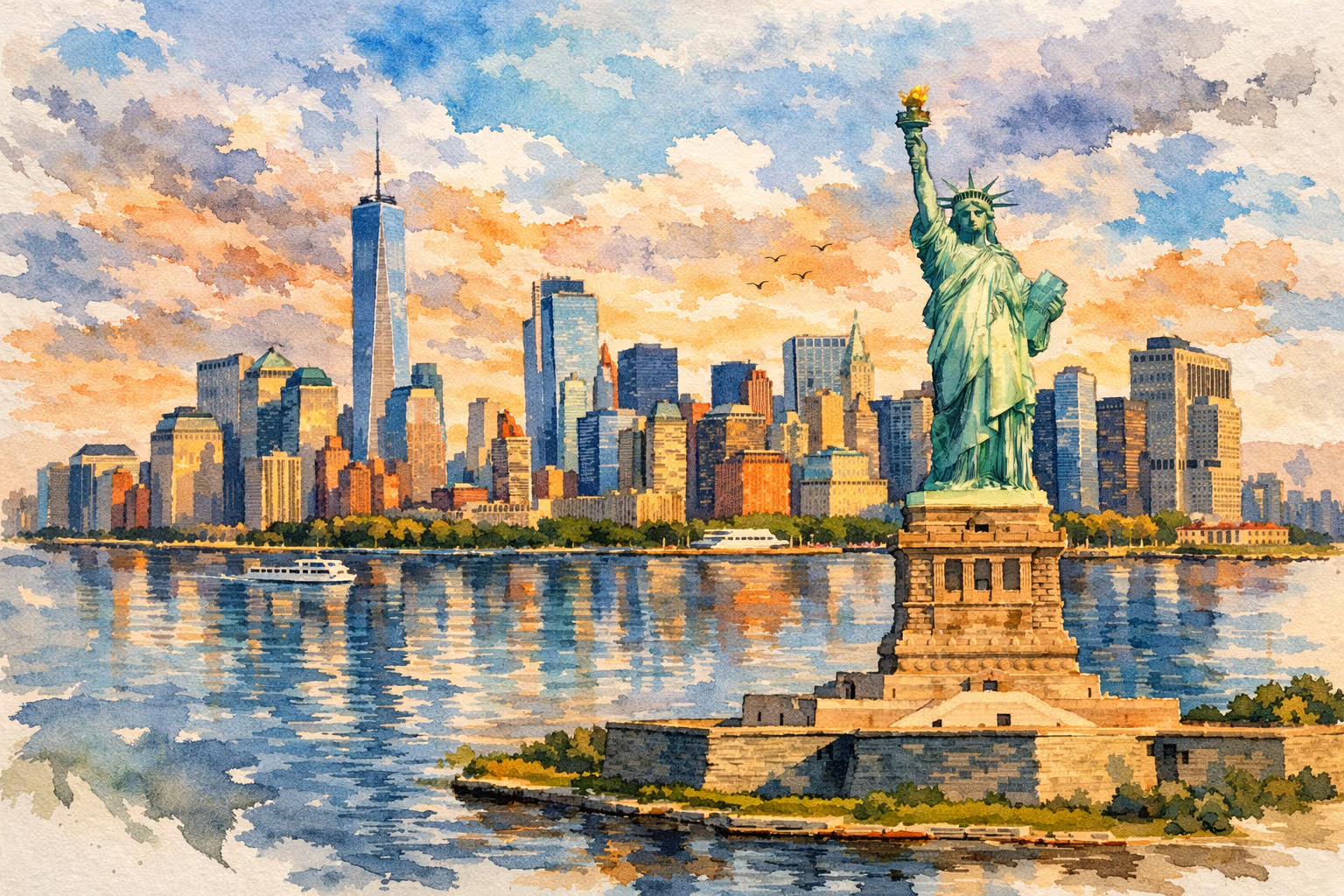
Historic painting destinations usa the American landscape has long served as a primary catalyst for the development of Western art, providing a vast, uncurated canvas that challenged the European sensibilities of early settlers. From the rugged cliffs of the Hudson River Valley to the ethereal, high-desert light of New Mexico, certain geographical nodes have acted as crucibles for artistic innovation. These locations are not merely scenic backdrops; they are repositories of cultural memory where the environment and the easel converged to define a national identity.
To examine these sites through a rigorous editorial lens requires moving beyond the “picturesque.” One must analyze how specific light conditions, geological formations, and social structures combined to attract and sustain artistic enclaves. The study of these regions involves a complex interplay of art history, environmental science, and the economics of early American tourism.
In contemporary discourse, the concept of a painting destination often suffers from a reductionist approach, focused primarily on modern accessibility and “Instagrammable” vistas. Understanding these sites requires an appreciation for the “genius loci,” or the spirit of the place, which continues to influence the way painters perceive depth, color, and atmosphere in the 21st century.
Understanding “historic painting destinations usa”
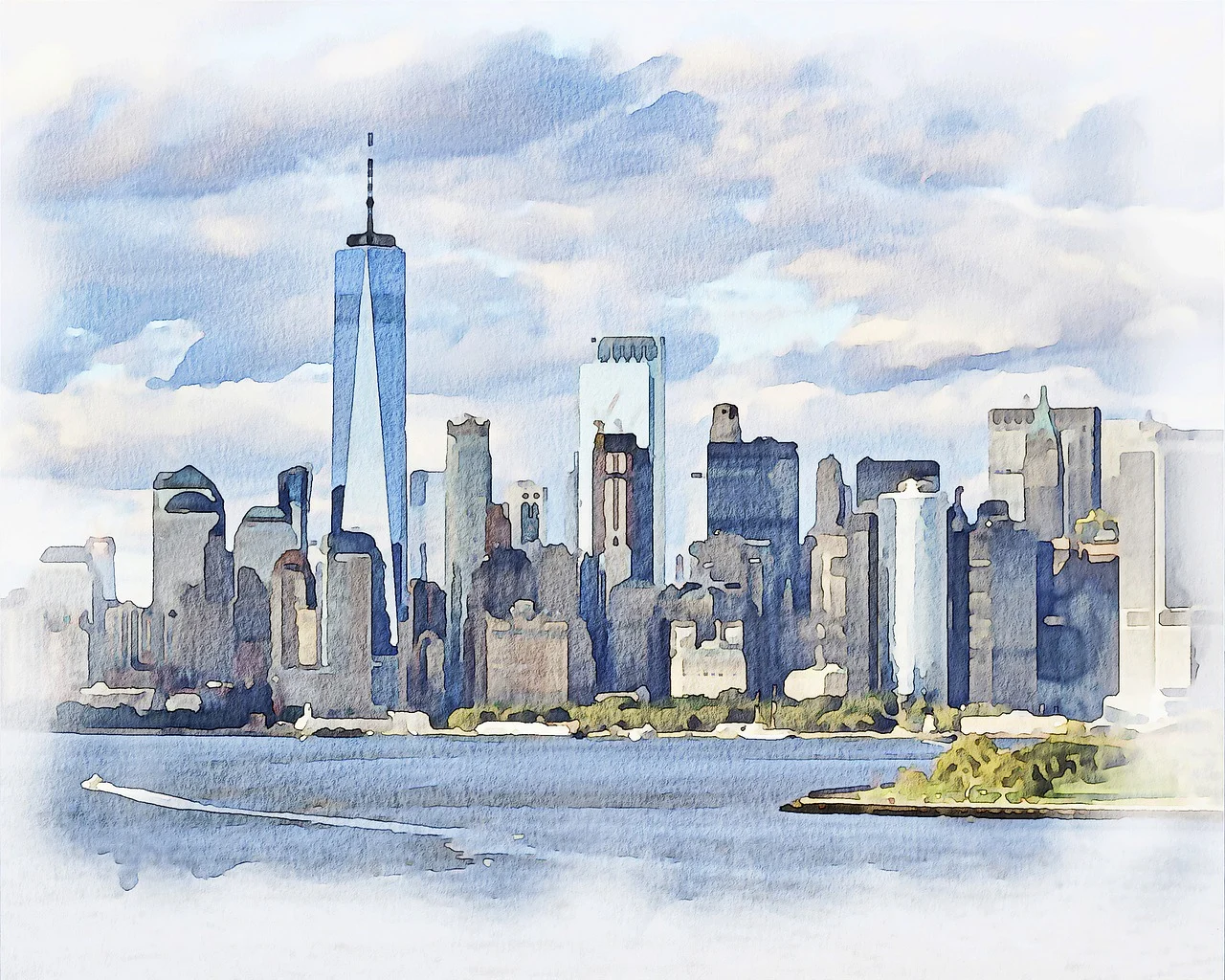
Identifying historic painting destinations usa involves a multi-perspective analysis that transcends mere geography. A common misunderstanding is the belief that these destinations were chosen at random or solely for their beauty. In reality, the selection was often driven by infrastructure and economics. The expansion of the railroad in the 19th century and the establishment of seasonal boarding houses for artists were as critical to the formation of an art colony as the landscape itself. Oversimplification risks ignoring the systemic nature of these enclaves; they were collaborative ecosystems where artists shared techniques, critiqued work, and collectively marketed their vision of the American wilderness to an urban audience.
The “topical authority” of these sites is maintained through a combination of physical preservation and intellectual documentation. The goal of analyzing these sites is to understand how the physical characteristics of the land dictated the brushstrokes of the painters who sought to capture it, creating a feedback loop between the environment and the artistic output.
Deep Contextual Background: The Evolution of Artistic Migration
Historic painting destinations usa the systemic evolution of American painting destinations can be divided into three distinct phases. The first was the Romantic era of the mid-19th century, characterized by the Hudson River School. Painters like Thomas Cole and Frederic Edwin Church moved northward from New York City, driven by the belief that the American wilderness was a manifestation of the divine. This was a period of “discovery,” where the artist functioned as an explorer, documenting vast territories that were largely unknown to the general public.
The second phase, occurring in the late 19th and early 20th centuries, saw the rise of the “summer colony.” As the American middle class grew, artists sought refuge from industrialized cities. Places like Gloucester, Massachusetts, and Cornish, New Hampshire, became seasonal hubs. Here, the focus shifted from the grand, sublime wilderness to the intimate, light-drenched landscapes of the coast and the countryside. This era was defined by the influence of French Impressionism, adapted to the harsher, clearer light of North America.
The third phase was the Western expansion, most notably the “Taos Phenomenon.” This was not just a change in scenery; it was a shift in cultural perspective. The integration of Native American and Hispanic cultures into the visual narrative represented a maturing of the American artistic identity. These migrations were not merely aesthetic; they were often responses to urbanization and a desire for a “purer” connection to the land and its history.
Conceptual Frameworks and Mental Models Historic Painting Destinations Usa
1. The Light Refraction Framework
This model analyzes a destination based on its atmospheric density. Coastal Maine, for instance, has a high moisture content that scatters light, creating a “cool” palette. High-altitude destinations like the Rockies have thinner air, leading to “sharp” edges and high contrast. Understanding this dictates the technical approach to color mixing and edge control.
2. The Infrastructure-Aesthetic Matrix
This framework evaluates the development of a colony by mapping the proximity of transportation (rail/road) against the availability of “communal housing.” It posits that an artistic movement cannot survive in isolation; it requires a physical nexus where artists can congregate and exchange ideas.
3. The Temporal-Visual Model
This mental model compares the “original” landscape as painted by 19th-century masters with the “current” state of the site. It forces the researcher to account for reforestation, urban sprawl, and climate-induced changes in vegetation, acknowledging that a historic destination is a moving target in time.
Key Categories: Regional Enclaves and Aesthetic Variation
The diversity of the American landscape resulted in distinct regional “brands” of painting.
Decision Logic: Selecting a Reference Site
The choice of a reference site depends on the “Luminosity Goal.” If the objective is to study “Atmospheric Perspective” (the way colors fade into the distance), the Blue Ridge Mountains provide a superior laboratory. If the goal is “Chiaroscuro” (dramatic light and dark), the deep canyons and late-afternoon sun of Arizona offer the most intense study environment.
Detailed Real-World Scenarios Historic Painting Destinations Usa
The Cape Ann Fog
-
The Context: A painter in Gloucester, MA, attempting to capture the harbor in the morning mist.
-
The Constraint: The moisture-heavy air flattens depth and desaturates color.
-
The Decision Point: Choosing between a “Tonalist” approach (low color, high atmosphere) or an “Impressionist” approach (high color dots to simulate light).
-
Failure Mode: Over-detailing the background, which breaks the illusion of atmospheric depth.
The New Mexico “Golden Hour”
-
The Context: An artist at the Taos Pueblo during the late afternoon.
-
The Constraint: Light changes rapidly, and the adobe walls absorb heat and light differently than timber.
-
The Decision Point: Mapping the “Temperature Shift”—the shadow side of the building will be cool (blue-violet) while the sunlit side is intense orange-yellow.
-
Second-Order Effect: The high UV levels in this region can lead to faster drying times for oils, requiring the use of “retarders” to maintain a workable surface.
Planning, Cost, and Resource Dynamics
Studying or visiting these destinations requires a different logistical framework than standard travel.
Estimated Budget for a Historic Residency (Two Weeks)
-
Rural (e.g., Catskills): $2,500–$4,000 (includes car rental and studio space).
-
Island (e.g., Monhegan): $3,500–$5,500 (includes ferry and limited-supply premiums).
-
Southwest (e.g., Santa Fe): $3,000–$5,000 (includes high-season lodging).
Tools, Strategies, and Support Systems
A modern investigation of these destinations utilizes a blend of traditional and technological supports:
-
Chroma Meters: Measuring the exact color temperature of the light at different times of day to verify historical descriptions.
-
GIS Mapping: Locating the exact GPS coordinates where famous works were executed (The “Stand-in-Footsteps” strategy).
-
Neutral Density Filters: For photographers or artists using digital aids to manage the extreme glare of desert or coastal sun.
-
Historical Enclave Archives: Accessing the journals of the original painters to understand their psychological state during the “Discovery” phase.
-
Pochade Boxes: Modern, lightweight versions of the heavy wooden easels used in the 19th century, allowing for more mobile site-hopping.
-
UV-Stable Pigments: Essential for working in Western destinations where solar radiation can cause “fugitive” colors to fade within weeks.
Risk Landscape and Failure Modes Historic Painting Destinations Usa
1. Visual Pollution and Encroachment
The primary risk to a historic painting destination is the loss of its “Visual Integrity.” Cell towers, power lines, and modern architectural styles can disrupt the historical sightlines that defined a location.
2. Ecological Transformation
Climate change and invasive species can fundamentally alter the colors and textures of a landscape.
3. The “Museumification” Trap
Treating a destination solely as a historic monument can stifle modern artistic evolution. If a site is too rigidly controlled, it becomes a static museum rather than a living laboratory for new generations of painters.
Governance, Maintenance, and Long-Term Adaptation
The preservation of these sites is governed by a patchwork of federal, state, and private entities.
-
Easement Protection: Land trusts work to prevent development on the specific vistas made famous by 19th-century paintings.
-
Artist-in-Residence Programs: The National Park Service and private foundations (like the MacDowell Colony) maintain the “Human Infrastructure” by providing subsidized space for creators.
-
Adaptive Reuse: Converting the original barns and studios of the masters into modern community art centers to maintain the “Enclave Effect.”
Monitoring Checklist
-
Review sightline integrity from key “master footprints.”
-
Monitor air quality indices (affects atmospheric perspective).
-
Evaluate the sustainability of seasonal artist housing.
Measurement, Tracking, and Evaluation Historic Painting Destinations Usa
-
Leading Indicator: The number of professional artist workshops and residencies booked annually at a site.
-
Lagging Indicator: The volume of new work produced in these locations that enters major museum collections.
-
Qualitative Signal: The “Persistence of Place”—the degree to which contemporary work from a site is still recognizable as part of that location’s unique visual lineage.
Documentation Example: A “Visual Audit” log that tracks the changing vegetation and lighting conditions at a specific overlook in Yosemite over a ten-year cycle.
Common Misconceptions and Oversimplifications
-
“The masters painted exactly what they saw.” They often rearranged the landscape for “Idealized Composition.”
-
“Photography has replaced the need for these destinations.” A photograph flattens light. The “Top” value of a destination is the 3D immersion in the atmosphere.
-
“These places are only for traditionalists.” Modernists and abstractionists like Georgia O’Keeffe used these same historic hubs to push the boundaries of form.
-
“Beauty is the only factor.” Harsh, ugly, or desolate environments (like the Badlands) are just as historically significant for their challenge to the artist.
-
“National Parks are the only destinations.” Many of the most significant sites are on private land or in small, unprotected towns.
Ethical and Practical Considerations Historic Painting Destinations Usa
In the context of American landscape painting, one must address the “Ethics of Representation.” Many historic destinations were “discovered” by white artists on land that was stolen or forcefully vacated by Indigenous peoples. A sophisticated understanding of these sites must include a recognition of the Indigenous visual history that predates the easel. Over-promoting a fragile site like a coastal cliff or a desert spring can lead to the very degradation that renders the site unpaintable for future generations.
Conclusion
data-path-to-node=”73″>>The historic painting destinations usa offers are more than geographical points; they are the connective tissue between the American environment and the human imagination. These sites have survived through a combination of physical luck and intentional preservation. As the digital world continues to flatten our experience of reality, the value of these physical locations—with their specific smells, temperatures, and peculiar light—becomes increasingly vital.
Leave a Reply