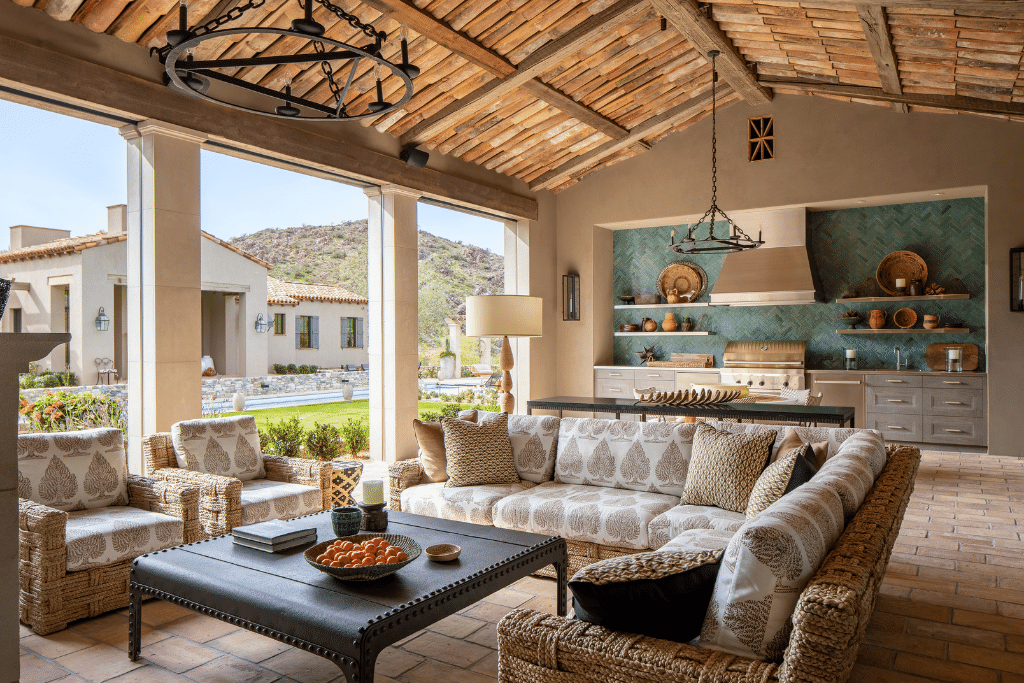
Best residential painting united states the American residential landscape is a study in material diversity and climatic extremes. From the salt-scrubbed shingles of New England to the sun-baked stucco of the Mojave, the exterior and interior surfaces of a home serve as the primary interface between architectural intent and environmental reality. In truth, it is a critical layer of functional infrastructure. A high-performance coating system does not simply impart color; it manages thermal transfer, mitigates moisture intrusion, and preserves the structural integrity of the substrate it covers.
To approach the subject with the necessary editorial gravity, one must look past the “curb appeal” narratives popularized by home improvement media. The reality of maintaining a high-value property in the United States involves navigating a complex landscape of VOC (Volatile Organic Compound) regulations, polymer chemistry, and the physical mechanics of adhesion.
Achieving a standard that qualifies as the “best” requires a departure from transactional maintenance toward a model of long-term asset management. This involves understanding the molecular cross-linking of modern resins and the specific expansion-contraction coefficients of different building materials. Whether the goal is to protect a historic timber frame or to achieve a Level 5 finish in a contemporary minimalist interior, the principles remain the same: diagnostic precision, material compatibility, and a relentless commitment to the “invisible” phases of the work.
Understanding “best residential painting united states”
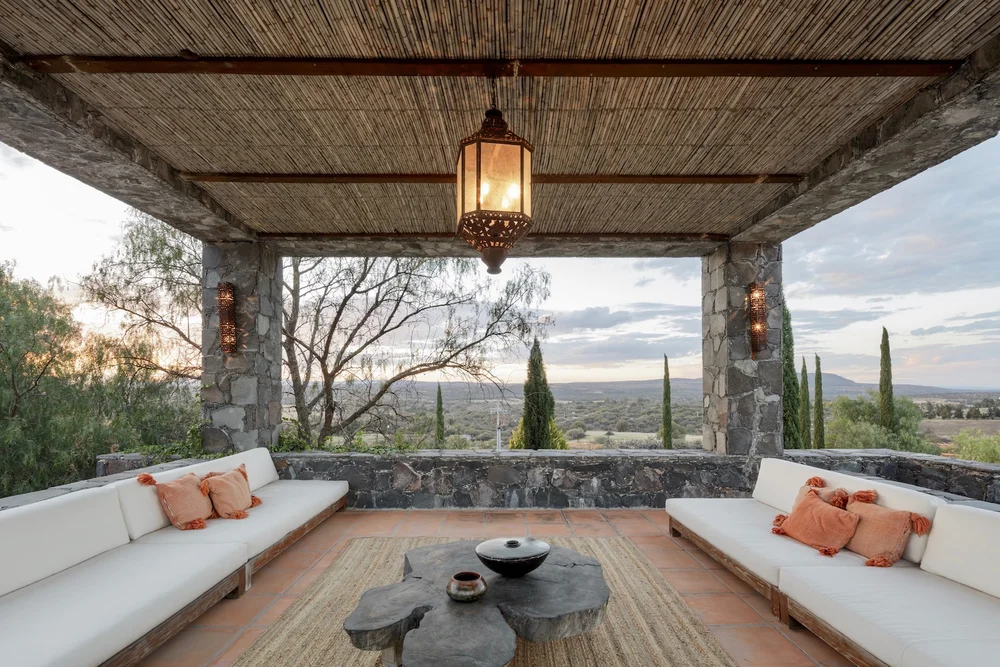
The definition of best residential painting united states is often clouded by a focus on brand names or specific color palettes. From a technical and editorial perspective, “best” is a multi-dimensional metric that evaluates the longevity of the bond, the fidelity of the color retention, and the ecological footprint of the application.
One of the primary oversimplification risks in the industry is the “one-coat” myth. This marketing-driven narrative ignores the fundamental physics of film thickness and substrate porosity. A truly superior painting outcome is the result of a “layered system” approach: a specific primer to manage pH and suction, an intermediate coat to build film thickness and opacity, and a topcoat engineered for specific environmental resistances. When we analyze the top tier of residential work across the country, we see a consistent adherence to these multi-stage protocols regardless of the architectural style.
Furthermore, the “best” standard must account for the skill ceiling of the labor force. In the high-end residential sector, this often involves the use of specialized retarders or environmental controls to ensure that the finish levels out to a glass-like smoothness, free of the “orange peel” or brush marks that characterize standard-grade work.
Historical and Systemic Evolution of Residential Finishes
Best residential painting united states the trajectory of residential painting in the United States is marked by a shift from artisanal, site-mixed concoctions to highly engineered, factory-stabilized polymers. In the 18th and 19th centuries, coatings were primarily functional, using linseed oils and lead pigments to provide a flexible, albeit toxic, shell. These finishes were “long-oil” systems, meaning they took days to dry but offered a level of flow and durability that modern DIY products struggle to replicate.
The introduction of 100% acrylic resins allowed for a coating that could breathe—permitting water vapor to escape from the house while preventing liquid water from entering. This was a revolutionary change for the American building envelope, significantly reducing the incidence of structural rot.
Today, we are in the era of “Hybrid” and “Functional” coatings. We are seeing the rise of ceramic-infused paints that resist heat transfer and photocatalytic coatings that use sunlight to break down atmospheric pollutants on the facade. The modern residential painter is no longer just a brush-operator; they are a site-specific applicator of complex chemical systems designed to meet increasingly stringent environmental regulations without sacrificing the 15-year lifecycles that luxury homeowners expect.
Conceptual Frameworks for Surface Integrity Best Residential Painting United States
To manage a painting project at a high level, professionals use specific mental models to anticipate failure and optimize performance.
1. The Adhesion Hierarchy
This framework prioritizes “Mechanical Bond” over “Chemical Bond.” It assumes that no coating is strong enough to hold onto a failing substrate. Therefore, the hierarchy places 70% of the project’s value on the abrasion and cleaning of the surface, 20% on the primer’s ability to “bite” into that surface, and only 10% on the decorative finish.
2. The Permeability-Hydrophobicity Paradox
A home must shed liquid water (hydrophobicity) while allowing water vapor to pass through (permeability). In the “best” residential systems, the coating is treated as a semi-permeable membrane. This framework helps consultants choose between elastomeric coatings (low permeability, high stretch) and traditional acrylics (high permeability, moderate stretch) based on the specific moisture profile of the wall assembly.
3. The Refractive Index Model
For interior luxury work, the focus shifts to how the paint film interacts with light. This model views the wall as a series of microscopic peaks and valleys. A “High-Authority” finish involves “polishing” the substrate through iterative sanding between coats to minimize light scattering, resulting in a deeper, more saturated color that appears to “glow” rather than simply reflect.
Key Categories: Resin Architectures and Material Trade-offs
Choosing the right system involves a rigorous comparison of resin types against the specific needs of the building.
Realistic Decision Logic
The choice should be “Substrate-First.” For instance, on a historic cedar home, the decision logic dictates a high-permeability acrylic to prevent “tannin bleed” and wood rot. Conversely, on a modern concrete residence, a silane-siloxane sealer followed by a high-build acrylic provides the best defense against salt-air and carbonation.
Detailed Real-World Scenarios Best Residential Painting United States
The Pacific Northwest Rain-Screen
-
The Constraint: 60+ inches of annual rainfall with limited drying windows.
-
The Solution: A “Self-Cleaning” nano-acrylic that lowers surface tension, allowing rain to wash away biological growth (mildew/algae).
-
Failure Mode: Applying a traditional oil-based primer which would act as a food source for mold in the damp climate.
The High-UV Southwestern Estate
-
The Constraint: Intense solar radiation and thermal swings of 40°F in 12 hours.
-
The Solution: Inorganic pigment systems that do not “bleach” in UV, paired with a high-elongation resin that can stretch as the stucco expands in the heat.
-
Second-Order Effect: Using “Cool-Roof” technology in the wall paint to reduce interior cooling costs by reflecting infrared radiation.
Planning, Cost, and Resource Dynamics
The economics of the best residential painting united states are often misunderstood as a simple calculation of square footage.
Range-Based Table: Cost vs. Lifecycle
Tools, Strategies, and Support Systems Best Residential Painting United States
The execution of a flagship project relies on a specific ecosystem of support:
-
Dust Extraction Sanding: Systems like Festool that remove 99% of particulate matter at the point of creation, essential for both health and finish quality.
-
Moisture Meters: Non-invasive sensors used to verify that the substrate is below 15% moisture content—the “no-go” threshold for most modern resins.
-
High-Volume Low-Pressure (HVLP) Sprayers: Used for cabinetry and trim to achieve a “factory” finish without the “dry spray” common with airless units.
-
pH Testing Pens: Crucial for new masonry or “hot” plaster, ensuring the surface won’t “burn” the paint through high alkalinity.
-
Digital Colorimeters: Tools to ensure that the “custom match” is consistent across different batches and elevations.
-
Tri-Polymer Sealants: Moving beyond cheap siliconized acrylic caulk to high-movement joint fillers that won’t crack in three years.
Risk Landscape and Failure Modes
-
Inter-coat Incompatibility: Applying a high-tension acrylic over a brittle, old oil-based layer without a “bridge” primer. The new paint shrinks as it cures, literally pulling the old paint off the wall.
-
Surfactant Leaching: Occurs when paint is applied in high humidity. The “soaps” in the paint migrate to the surface, creating oily, brown streaks that can permanently disfigure the finish.
-
Mill Glaze Failure: On new wood siding, the heat of the saw blades creates a “sheen” that prevents paint penetration. Failure to sand this away results in “sheet peeling” within 24 months.
-
Efflorescence: On masonry, moisture moving through the wall carries salts to the surface. If the paint isn’t breathable, these salts will crystallize behind the film and pop the paint off.
Governance, Maintenance, and Long-Term Adaptation Best Residential Painting United States
A superior residential coating is an active asset, not a passive one.
-
The Bi-Annual Wash: Removing atmospheric salts, pollen, and soot that can act as catalysts for UV degradation.
-
South-Elevation Surveillance: The south and west sides of a house will fail 40% faster than the north. A “Governance” plan includes a maintenance “refresh” coat on these sides at year 6 to keep the whole house on a 12-year cycle.
-
Gutter and Grade Management: 90% of paint failures at the bottom of walls are caused by “splash-back” from poor drainage. Maintenance involves ensuring water is directed away from the coated surfaces.
Measurement, Tracking, and Evaluation
-
Leading Indicators: Adhesion “Tape Tests” performed on a 12×12 sample area before the full project begins; moisture readings logged per elevation.
-
Lagging Indicators: Gloss retention values (measured via gloss-meter) at year three; absence of “checking” or “crazing” in the film.
-
Documentation Examples: A “Coating Ledger” containing batch numbers, weather logs (temp/humidity) for each day of application, and a “Mapping” of which colors were used on which substrate.
Common Misconceptions and Oversimplifications Best Residential Painting United States
-
“Two coats are always better than one.” Not if the “one” coat is a high-build elastomeric applied at the correct mil-thickness. Sometimes, excessive film thickness leads to cracking.
-
“Oil paint is harder and better.” Modern water-borne urethanes are now harder than traditional oils and do not turn yellow over time.
-
“Self-priming paint is a miracle.” It is a marketing term for high-solids paint. For restorative work, a dedicated, separate primer is almost always technically superior.
-
“You can’t paint in the sun.” You can, but you must use specific “extenders” to keep the edge wet, or the finish will show “lap marks.”
-
“Power washing is enough prep.” Power washing only removes loose debris; it does not create the “profile” (roughness) needed for long-term adhesion.
Ethical and Practical Considerations
In the modern American market, the choice of paint carries an ethical weight. The transition to Zero-VOC (Volatile Organic Compound) formulas is no longer a niche preference but a regulatory and health-based necessity. For families with respiratory sensitivities or for projects in highly regulated states like California, the “best” choice is one that balances chemical durability with indoor air quality. Furthermore, the longevity of the paint job itself is an environmental act; a project that lasts 15 years instead of 5 uses 66% less material and generates 66% less waste over the building’s lifespan.
Conclusion Best Residential Painting United States
The best residential painting united states offers is a synthesis of discipline and chemistry. It is a refusal to accept the “temporary” nature of home maintenance in favor of a rigorous, systemic approach to surface protection. When the diagnostic phase is handled with forensic care, and the material selection is dictated by the substrate’s physical needs rather than a marketing budget, the result is an architectural envelope that does more than look beautiful—it performs. As building science continues to evolve, the “best” standard will always belong to those who treat the surface not as a canvas, but as a shield.
Leave a Reply